Lately, more women feel at ease bringing up private issues they once kept silent about – not chasing trends, yet wanting relief where it matters most. Comfort during everyday moments begins shifting when personal topics move out of shadows. Changes after giving birth might spark questions others never dared ask before. Bodies transform with age or hormones, sometimes creating discomfort that reaches beyond skin level. Some notice differences since birth they start rethinking around midlife. Appearance plays a part, sure, though how things work day to day weighs just as heavy for many. Medical interest grows not from vanity, instead rooted in real-life needs emerging quietly over time. Inner balance ties closely to outer awareness when anatomy affects routine living. Solutions come into view only once conversations finally open doors long shut. What happens below influences mood, movement, even connection with others. Attention turns toward care that honors both form and function without ignoring deeper signals. Progress shows up not through dramatic claims, but steady willingness to speak plainly about what bodies experience together.
Little by little, some women notice shifts in their intimate well-being. Things like having a baby, getting older, going through menopause, gaining or losing weight, changing hormone levels – even family traits – play a role in how vaginal tissue and nearby muscles feel. Dryness might show up. So could less firmness, soreness when moving, chafing from clothes, leaking urine, muted feeling during touch, or unease about how things look down there. These issues pop up often. Still, plenty stay quiet, thinking it’s just part of life and nothing can be done.
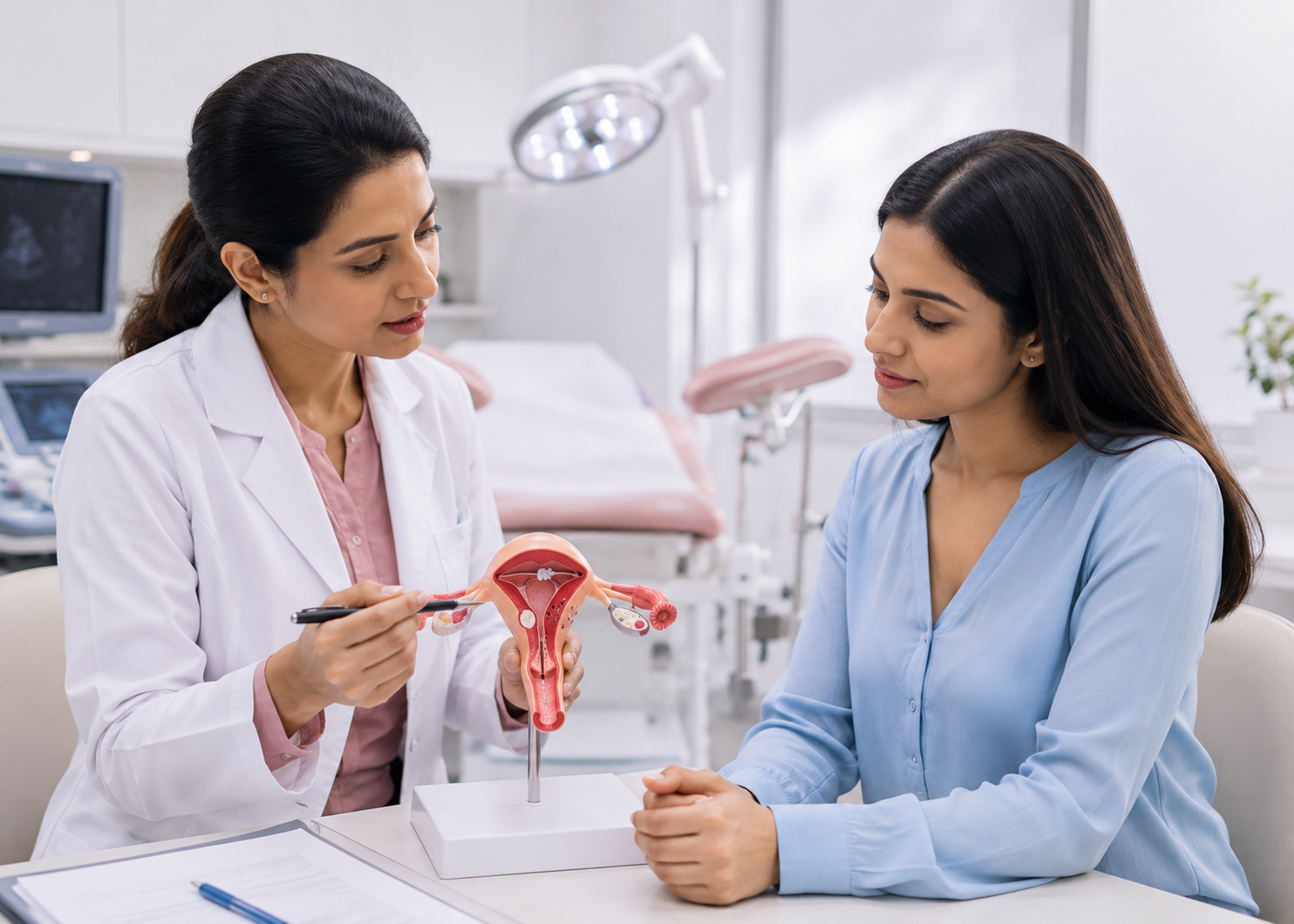
A doctor’s office focused on women’s private areas gives a calm place to talk about personal concerns. Not just looks – many find relief from discomfort after care here. Confidence often grows when physical problems fade into the background. More people paying attention shows how deeply health connects to personal well-being.
A popular topic in cosmetic gynecology? Vaginal tightening, often called rejuvenation. Following natural birth, many notice changes – pelvic muscles stretch out more than before. A looser feeling might show up during daily life, sometimes shaking how someone feels about their body. Options today split into two paths: operations or gentler methods without surgery, shaped by what the tissue shows and what each woman wants.
Energy-driven methods tend to boost collagen while lifting tissues, skipping invasive steps. Most pick these because life keeps moving – no long breaks needed. When muscles sag too much, cutting might enter the picture. Subtle gains draw some people; others cross into surgery once slackness wins. Fixes without scalpels suit mild shifts, though deep looseness asks for more.
Labia that are larger than usual or uneven often lead women to seek care without realizing how common it is. Body changes from having children can shift tissue structure, just as getting older or hormone fluctuations might. Walking, workouts, bike rides, or tight clothes suddenly start feeling awkward for certain people. Confidence takes a hit sometimes, even if nothing shows under clothing. Reshaping techniques exist – not to chase ideals – but to remove irritation while keeping everything looking and working normally.
Leakage of urine? A lot of women deal with it silently, year after year. When a laugh, a cough, or even just jumping causes dribbling – that’s often tied to changes after having kids or simply getting older. Weakness deep down in the pelvis plays its part too. Procedures aimed at tightening vaginal tissue might help ease small leaks here and there. Less need for pads or constant bathroom checks could follow, quietly making days easier.
Moisture loss down there often shows up when periods fade away or hormones shift. When estrogen dips, walls inside become fragile – sometimes stinging, sometimes just sore, always less slick. Life stays busy; these glitches still slow things down, make closeness harder. Some non-drug vaginal therapies work by waking up blood flow, feeding cells, plumping delicate surfaces back toward balance.
Confidence can crumble when daily life feels limited by unseen struggles. Some avoid workouts, specific outfits, or gatherings – not out of choice but due to persistent unease. Feelings matter just as much as physical changes in these cases. It is less about how things look, more about how they feel day after day. Intimacy, movement, even small routines may shift quietly under pressure. Self-image ties deeply into how one moves through the world. What seems like personal concern might actually be a deeper need for ease.
What stands out today in cosmetic gynecology isn’t just technique – it’s discretion, one-on-one talks. Each person brings unique body traits, past health, personal worries. Choices about care? Never copy-paste. Instead, early sessions zero in: What shows up physically, what hopes exist, if issues tie to function, looks, or both.
Every step begins with how safe it feels. Before anything happens, doctors look closely at the body’s condition, what lies ahead for motherhood, hormone levels, also general reproductive health. Experts who know this work best make sure treatments keep things as they should be inside. Their goal stays clear – skip any move that isn’t truly needed.
How fast someone heals ties closely to their treatment path. Without surgery, most people get back to daily life sooner. Operations might need a brief downtime, careful steps afterward, maybe some check-ins too. Either way, feeling at ease matters just as much as knowing what comes next.
After having kids or going through menopause, some women seek care not just to look different, but to feel like themselves again. Confidence often shifts when bodies change, and more are realizing help exists without judgment. Solutions once whispered about now sit openly on the table. Physical changes can weigh on daily life, yet relief does not have to mean surgery. Many find comfort in knowing choices match their needs, not someone else’s idea of normal. A quiet shift is happening – one where personal well-being leads the way.
Now people talk about women’s intimate health more openly, using medical knowledge. Earlier silence on these topics has shifted – today there’s care, respect, because understanding grows behind closed doors.
Thinking clearly matters when it comes to cosmetic gynecology – this choice is optional, never a must because someone else expects it. Personal ease, actual physical needs, along with guidance from a trusted doctor, shape better reasons. What stands behind such procedures? Aiming for daily comfort, renewed self-assurance, mental balance – all while keeping hopes grounded in reality.
Now comes a time when listening matters more than fixing. Women’s health widens beyond illness into spaces once whispered about at home. Not surgery as spectacle – rather quiet changes made without shame. Care shapes itself around personhood now, not just symptoms on paper. Dignity grows where it was once ignored.
Comfort comes easier when personal health gets taken seriously, just like everything else tied to well-being. Because once women can talk openly about what’s bothering them – and get clear answers – they start choosing paths that fit their bodies and minds more naturally