Gramy Hospital

Learn what to expect when visiting the Emergency Department. Learn More

G R A M Y

Gynecology

Get Directions

Gynecology

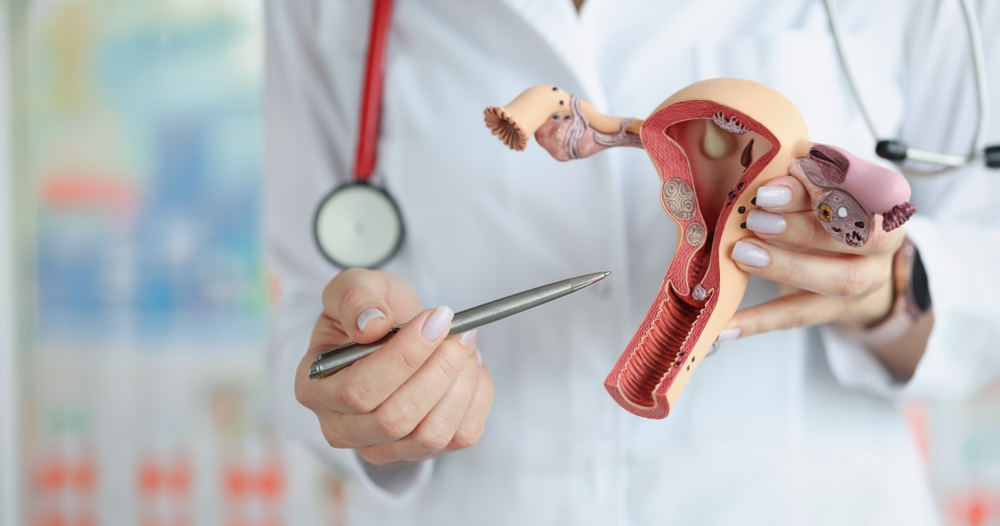
Medicine has many parts. One looks after women’s bodies, especially what helps them have children. This part deals with problems that come up when young, during baby-making years, while carrying a child, or when periods stop for good. Care must match how things change inside a woman, not just fix symptoms. Over at Gramy Hospital, doctors pay close attention to every detail, starting before illness appears. They check carefully, find out exactly what is wrong, offer modern ways to get better, then walk alongside each person in their own way. Help feels personal here, never one-size-fits-all.

Starting off with small signs does not mean everything is fine later on. When periods act out of sync, bleed too much, hurt deeply, come late, or bring strange changes down below, attention tends to shift toward care. Hormones going off track might link to deeper issues hiding inside. Pain around the pelvis plus odd fluids often push someone to make a visit. Repeated infections whisper there could be more beneath the surface. Conditions like PCOS, growths in the uterus, cysts on ovaries, tissue spreading where it should not, swelling from infection, or shifts in hormone flow show up through these clues. Seeing a doctor early unmasks what is really happening behind the scenes. Fixing things sooner blocks worse outcomes before they take hold.

Starting at Gramy Hospital, gynaecology focuses on listening closely – picking up signs, life stage details, hormone patterns, past pregnancies, and overall wellness. Because bodies react in their own way when hormones shift or reproduction changes occur, tailored assessments matter most. Tools like physical checks, sonogram scans, blood work, hormone analysis, plus routine prevention checks guide experts toward solutions that fit just one person’s needs.

Bleeding too long, missing periods entirely – these issues pop up more than you’d think in women’s health. Stress creeps in, hormones shift out of sync, or conditions like PCOS step in; suddenly cycles turn unpredictable. Some deal with cramps so sharp they pause daily routines, others bleed enough to drain energy slowly. Thyroid trouble might be pulling strings behind the scenes, or something inside the uterus isn’t quite right. Years pass while pain is brushed off as normal, but relief often lies within reach. A careful check by a doctor could uncover paths to steadier cycles, fewer setbacks. Balance returns not through magic, just accurate diagnosis guiding smart steps forward. Anemia looms less heavily when blood loss is managed early. Fertility stays protected when root causes aren’t ignored. Pelvic ache doesn’t have to become permanent background noise.

Younger women now face polycystic ovarian syndrome more than before, usually dealing with unpredictable cycles, skin breakouts, added pounds, too much facial or body hair, also trouble getting pregnant. Hormone imbalance sits at the core, disrupting both egg release and how the body processes energy. Care tends to involve steady changes in daily habits, balancing hormones, followed by watching metabolic markers over time. Catching it early matters since unchecked symptoms could lead to harder odds on having kids later, alongside deeper issues tied to how the body manages sugar and fat.

Growth lumps inside or near the womb often show up when women are having their period years. They do not turn into cancer but sometimes bring strong blood flow, a heavy belly feeling, swelling in the middle, or pain that gets in the way of regular life. When they stay tiny, doctors might just watch them closely instead of stepping in right away. Bigger ones – or those causing trouble – could mean medicine steps forward, or maybe even surgery has its say later on. What happens next leans heavily on how old someone is, what signs appear, whether more children are planned down the road, and how well the body handles stress overall.

Fluid-filled pockets can form inside the ovaries – these are called ovarian cysts. Though most go away on their own, a few grow big enough to hurt or mess with hormones, needing medical attention. If they stick around, doctors might check them with scans or suggest minor surgery, depending on symptoms.

Tissue like the kind inside the womb sometimes grows elsewhere in the body, leading to a lasting pelvic issue known as endometriosis. This change brings intense cramps, heavy monthly bleeding, problems moving through everyday routines, along with hurdles when trying to conceive. Since signs can mirror those of unrelated illnesses, spotting it means digging deep into medical history while leaning on scans for backup. Getting help fast makes managing future pregnancies easier. Healing paths grow clearer when care begins sooner.

Getting pregnant and staying fertile matter a lot in women’s healthcare today. When trying to have a baby takes longer than expected, or periods don’t come regularly, seeing a doctor can help. Issues tied to fertility might center on hormones, whether eggs are released, how the uterus functions, or advice about reproduction. Looking into problems early makes it easier to find what can be fixed, shaping what comes next in care.

Gynaecologists commonly handle infections in the female reproductive system. When it comes to issues like vaginal or cervical infections, plus pelvic pain and ongoing discharge, getting checked by a doctor beats guessing at home. Ignoring these signs might harm long-term fertility or cause lasting lower abdominal pain. With correct medication along with advice on cleanliness, repeat episodes usually drop off.

Staying ahead of problems matters just as much as fixing them later. A routine check below the waist, looking at the cervix, knowing your breasts’ usual feel, keeping track of how reproduction functions – these spot oddities long before trouble shows up. Catching shifts in the cervix early? That often means a quiet fix, stopping what could turn into something worse down the road.

Something shifts again when a woman reaches menopause. As hormones dip, sudden warmth rushes through the body, nights turn restless, emotions swing without warning. Periods arrive late, then stop, while tissues down below grow thin and sore. Joints creak more now, bladders feel urgent at odd times. Most assume this is just how it has to be – yet help exists that eases nearly every sign. Watching bones closely matters now, along with heart rhythms changing slowly beneath the surface.

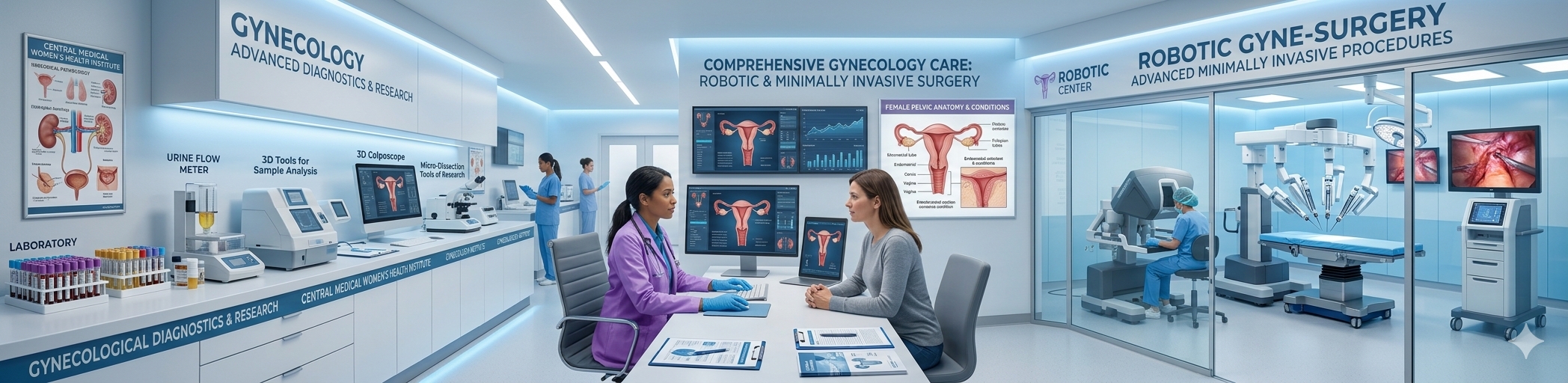
Sometimes surgery becomes necessary for women’s health issues if drugs do not work well enough. These days, smaller incisions are often chosen since they lead to less discomfort, faster healing, quicker return to daily life, better overall results. Fibroid removal might happen this way, along with care for cysts on ovaries, looking inside the uterus using a scope, operating through tiny cuts in the belly, fixing problems tied to the womb – each option fits what the body needs at that moment.

Small cuts instead of big ones now let doctors operate inside a woman’s belly with help from tiny cameras. Recovery tends to be smoother, time in hospital drops, scars fade quicker, plus daily life restarts faster when compared to older methods. Inside the pelvis, these tools handle cysts on ovaries, pull out fibroids, calm down endometriosis, sometimes even touch parts of the uterus. The view from a scope changes how precisely things get done.

What stands out today in women’s health care is how it goes beyond just treating illness, instead folding in clear information, personal reassurance, by building habits that guard against future issues. Because talking about bodily changes can feel awkward, plenty wait before seeing a doctor, yet showing up sooner usually means less involved care along with more favorable results.

Comfort comes first at Gramy Hospital, where care meets privacy in women’s health. Each visit unfolds gently, blending accurate diagnosis with attention to individual worries. Trust grows through clear talk, careful listening, steady hands. Women walk through each step knowing what happens next, feeling safe inside the process. What matters shows up quietly – dignity, knowledge, safety woven into routine.

Today’s gynaecology shifts slowly, shaped by sharper diagnostic tools, fewer surgical cuts, alongside smarter prevention paths. Handling everyday hormone shifts, lasting lower belly troubles, fertility questions, or body changes with time – skilled care keeps women steady, sure of themselves, living fully.

Available Doctors Under Food & Nutrition

Ask Any Question If You Have

Your email address will not be published. Required fields are marked *