Orthopedic Surgery

Bones, joints, muscles, ligaments, and tendons - these form the framework that lets people move without trouble. Without them working well, standing up straight or stepping forward becomes hard work. Problems show up after accidents, wear and tear, odd shapes in bone growth, or long-term illness. Simple things like getting dressed, rising from a chair, going upstairs, holding something heavy, or lying down peacefully can suddenly feel out of reach. Structure fails when one piece breaks balance across the whole body. Movement slows. Strength fades. Discomfort sticks around longer than it should. That is where focused medical help steps in - not just patching but rebuilding how bodies operate. At Gramya Hospital, skilled teams take on these challenges using precise techniques during operations. Recovery plans follow new paths tailored to each person’s needs. Healing means more than closing wounds - it means regaining what was lost before problems took hold. Restored motion returns confidence along with function.

Most folks deal with bone and joint issues at some point. Kids might need surgery when a game goes wrong, a fall breaks something, or soft tissue gives out. People in their prime years start noticing stiff joints, nagging back shifts, trouble bending, slow steps. Older adults visit specialists more often as daily motion gets harder, soreness lingers, spine shape alters from time's pressure. Fixing things fast can keep someone walking on their own later down the road.

Broken bones rank high on the list of reasons people see an orthopaedic surgeon. When force hits a bone - through a fall, crash, sport mishap, or weakened state from illness or osteoporosis - it can snap. Not every break looks the same; some stay in place, others shift out of position, shatter, or reach into nearby joints and tissues. Getting the pieces back where they belong matters since poor healing might lock in limited motion, uneven joints, or lasting limb issues.

Bones that break need help staying lined up while they mend. Metal parts like plates, screws, or rods can be placed inside to do this job. Instead of keeping still for ages, people now move sooner thanks to better methods. These approaches tend to go smoother than old ways involving long stretches without motion.

Bone connections form a key part of orthopaedics. Where two bones come together, smooth motion depends on cushioning layers, fluid, and surrounding tissues working in harmony. With passing years, the padding between bones may thin - often from aging, inflammation, trauma, too much body weight, or constant strain. As that protective layer fades, grinding occurs when bone meets bone, leading to discomfort, tightness, puffiness, and limited motion.

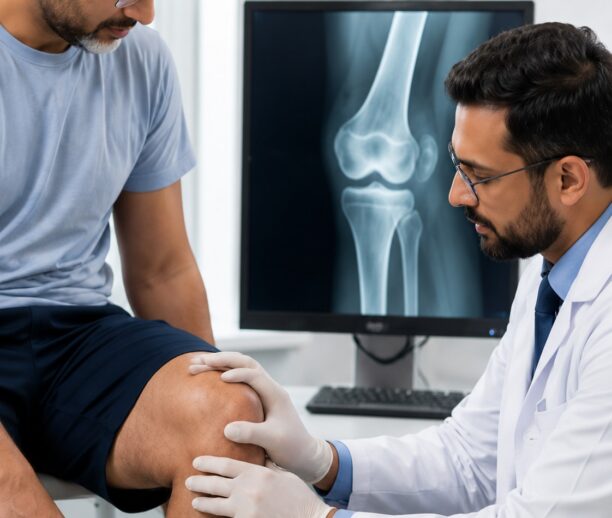
Pain when moving often shows up first with knee arthritis, a top reason people visit bone doctors. After sitting still, joints might resist motion, making starting to walk feel stiff. Going upstairs turns tricky as discomfort grows stronger day by day. Swelling appears without warning, sometimes out of nowhere. Standing or staying seated loses its ease, shifting becomes harder than before. When wear deepens, ache sticks around longer, never quite fading away. Sleep suffers because hurt doesn’t stop even at night.

Moving around gets harder with hip arthritis, especially standing up from sitting or turning while walking. Some find relief at first through medications along with physical therapy sessions. When the joint wears down too much, though, constant pain may lead to considering surgery.

Most folks find walking easier after their knee or hip gets a new surface. Artificial parts take over when worn-down joints cause too much trouble. Movement often feels smoother once the old, rough areas are swapped out. Success shows up in less ache and better motion for many people. Relief comes not from magic but from carefully fitted replacements doing the work nature started.

Fewer cuts, more accuracy - that's how today's bone doctors work. Tools now follow exact paths through the body, setting replacements straight without wide openings. Recovery moves quicker when tissue stays mostly intact. Materials inside these new joints resist wear far longer than before. Function climbs because parts move like real bones. Longevity comes not just from design but what they're made of.

Young people who stay active often need bone surgery because of damaged ligaments. These tissues work like tough straps to hold joints in place. Inside the knee, several of these supports exist. When a person twists hard, falls fast, or crashes during sport, harm can come to them.

One moment you're moving fast, next thing - the knee gives way. Swelling shows up quick, along with a shaky feeling inside the joint. A torn ACL tends to hit people who push their bodies hard. Without care, that wobble can return again and again, wearing down soft tissue over time. Many stay on their feet only after getting the ligament rebuilt through surgery.

When a ligament gets torn, surgeons swap it out using grafted tissue to bring back normal joint movement. Getting things lined up just right matters - off by even a little, and how well it works later takes a hit.

Most shoulder problems eventually need surgery. Though it moves easily, the joint tends to wear down or get hurt. Problems like torn rotator cuffs or repeated dislocations restrict motion sharply. Pain often stays through rest, sometimes worsening at night. Stiffness from frozen shoulder adds another layer of difficulty.

Shoulder tendon tears sometimes need an operation if rest and therapy do not fix them. Tiny cuts instead of large openings make modern surgeries less invasive, thanks to tools that slide inside easily. Healing tends to go quicker when surrounding tissues stay mostly untouched.

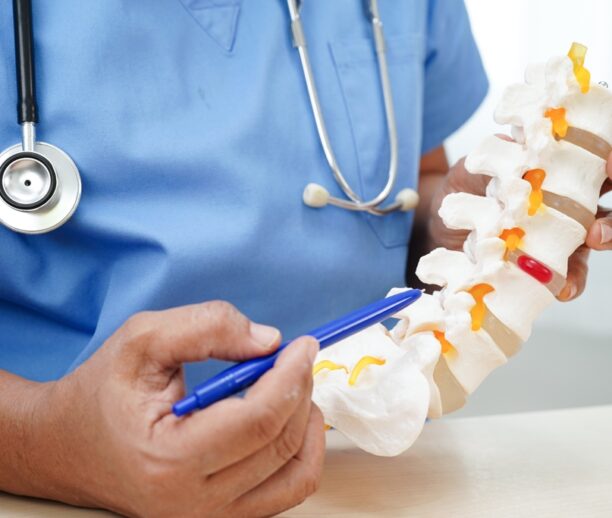
Back problems tied to bone or spine structure often fall under spinal orthopaedics. Disc wear, bulging discs, tight spinal canals, misshapen spines, broken bones, wobbliness - these bring sharp back pain, shooting leg discomfort, tingling, feeble muscles, limited motion. If nerves get squeezed too much, or standard care doesn’t help, an operation on the spine might enter discussion.

A twist in bone shape might need fixing - some arrive that way at birth. Others see changes later, shaped by accidents or wear from conditions like arthritis. Misalignment can shift how joints move over time. Straightening things out helps movement work better down the road. Joint stress often drops when positioning gets adjusted right.

Movement in the fingers often depends on tiny details - fixing a broken bone there means working with extreme care. When tendons get injured, recovery hinges on accurate realignment, not just time. Nerves squeezed inside the wrist disrupt grip strength, sometimes without warning. Degenerated joints limit reach, making ordinary actions unexpectedly difficult. Precision matters most when restoring how hands work, since slight missteps change everything.

Few kids need bone operations when their bodies grow unevenly or joints form wrong before birth. Since little ones’ skeletons change fast, doctors must think ahead more than they do for grown-ups. Bones healing in children act unlike those in adults, demanding unique care steps.

A tiny camera changes how doctors fix joints. Inside the body, it slips through small cuts instead of wide openings. Because of this, patients often face less recovery time. Problems deep within can now be seen clearly. Knees get this treatment most often. Shoulders change too when viewed this way. Even ankles and wrists open up to better care. Surgery becomes quieter, gentler. What once needed big slices now needs just pinpricks. Vision guides healing where hands once fumbled.

Fewer scars tend to show up after arthroscopic procedures, mainly because cuts are tiny. Pain levels usually run lower than with older methods. Blood loss during these operations stays minimal in most cases. Time spent inside hospitals drops noticeably under this approach. Recovery moves quicker when patients follow standard guidelines afterward.

Getting better after bone surgery takes more than just the procedure itself. Movement gains back trust when muscles grow strong again. Early exercises help joints stay loose while blood flows smoothly through healing tissue. Confidence returns step by step as balance improves with each session.

These days, handling pain once an operation ends works much better thanks to newer numbing methods. Nerve-blocking strategies play a part too. Early motion feels more doable now because safety has gone up. Smarter step-by-step plans help everything move smoother right after waking.

When older adults break a bone or lose motion in a joint, getting it fixed can bring back their ability to move freely. Surgery like putting joints back together or setting bones helps them stay active instead of being stuck. Without these fixes, staying still too long could take away what they once did on their own. Most find walking, standing, even dressing becomes possible again after the procedure.

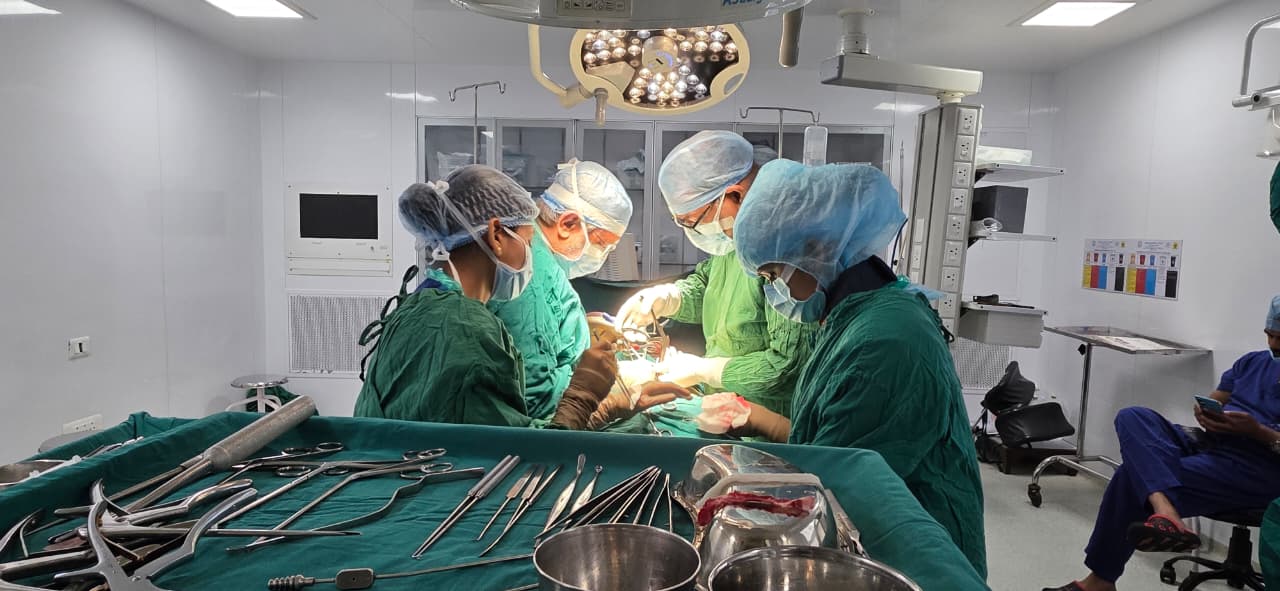
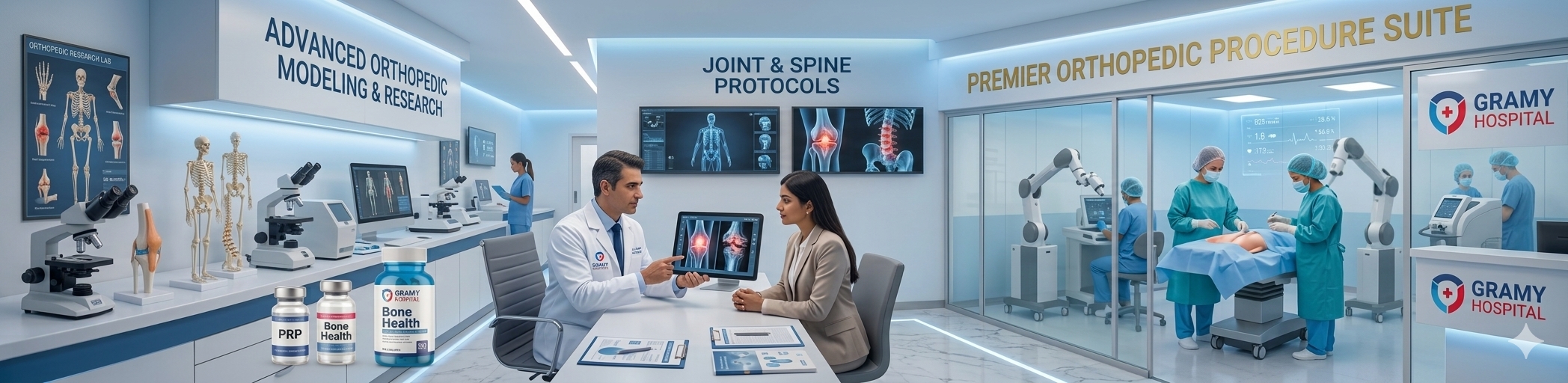
Starting at Gramy Hospital, fixing bones begins with spotting the real problem. A clear plan takes shape once scans reveal what lies beneath. Next comes the operation - steady hands place implants just right. Recovery follows a set path, step by step. Long-term movement improves when each stage connects smoothly.

FAQ

Click edit button to change this text. Lorem ipsum dolor sit amet, consectetur adipiscing elit. Ut elit tellus, luctus nec ullamcorper mattis, pulvinar dapibus leo.

Click edit button to change this text. Lorem ipsum dolor sit amet, consectetur adipiscing elit. Ut elit tellus, luctus nec ullamcorper mattis, pulvinar dapibus leo.

Bladder, Kidney, and Prostate Cancer Surgeries

Kidney Transplants and Removal

Treatment of Kidney Stones, Cysts, and Blockages