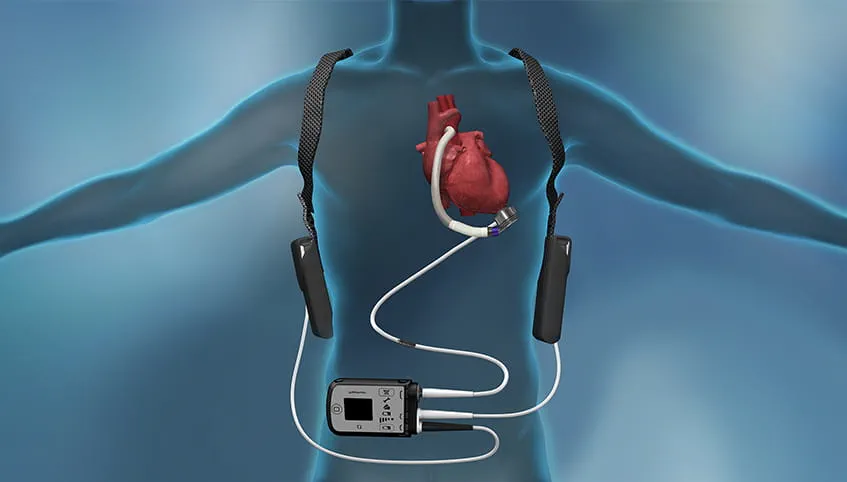
A machine steps in when the heart struggles badly, especially on its left side, failing to push enough blood where it needs to go. This happens in serious heart failure cases. Instead of relying only on weakened muscles, a small device takes part of the workload. It hooks into circulation, giving the body what it lacks – steady flow. Blood moves better because the gadget aids pumping from that main chamber. Life continues with help from this steady partner, working behind the scenes.
Sometimes the heart weakens slowly, sometimes it fails fast. Long-standing heart issues might lead there, also past heart attacks or a damaged heart muscle. Severe cases often resist regular medicines and usual care. Then, instead of those, doctors turn to an LVAD as a key option.
Surgery places the unit deep within the chest cavity. From there, it links straight to the heart and every key artery. Blood moves steadily from the lower left chamber into the main vessel thanks to its steady push. This flow boost eases pressure on the struggling organ. Outside the body, a control box runs the system while feeding power. That same setup tracks performance without pause.
Now and then, a person might need help from an LVAD just until their body gets ready for a new heart. Sometimes, though, when someone won’t qualify for that kind of surgery, the device steps in to stay active much longer. What matters most depends on how sick the individual is and what doctors decide fits best.