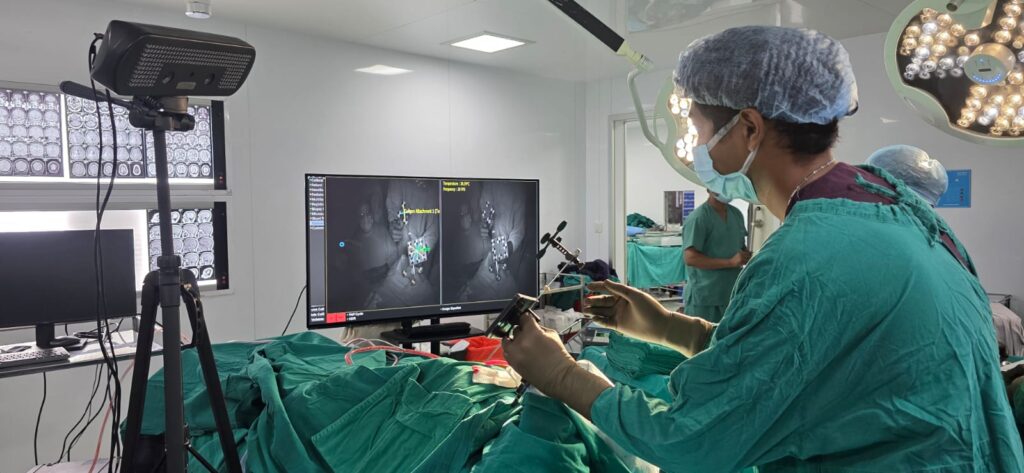
ENT Surgery
Common ENT Problems and When Surgery May Be Required
Ear, nose, and throat problems are among the most common health concerns affecting people of all ages. From chronic sinus infections to hearing problems, ENT conditions can significantly affect daily life if left untreated.
ENT surgeons specialize in diagnosing and treating disorders related to the ear, nose, throat, and surrounding structures of the head and neck.
Common ENT Conditions
Several conditions may require evaluation by an ENT specialist.
- Chronic Sinusitis
Sinusitis occurs when the sinus cavities become inflamed or infected. Chronic sinusitis can cause persistent nasal congestion, facial pressure, headaches, and difficulty breathing. - Tonsillitis
Frequent throat infections or enlarged tonsils can cause pain, difficulty swallowing, and breathing problems, particularly in children. - Hearing Loss
Hearing problems can result from infections, aging, or damage to the ear structures. Early evaluation is important to prevent permanent hearing impairment. - Deviated Nasal Septum
A deviated septum occurs when the wall between the nostrils is displaced. This can cause breathing difficulties, frequent sinus infections, and nasal blockage.
When Is ENT Surgery Needed?
Not all ENT conditions require surgery. Many can be managed with medication and lifestyle adjustments. However, surgery may be recommended when symptoms persist or worsen despite treatment.
Common ENT surgical procedures include:
- Tonsillectomy – removal of enlarged or infected tonsils
- Septoplasty – correction of a deviated nasal septum
- Endoscopic sinus surgery – treatment for chronic sinusitis
- Ear surgery to repair the eardrum or improve hearing
Modern ENT surgeries are often performed using minimally invasive techniques, which help reduce discomfort and speed up recovery.
Signs You Should See an ENT Specialist
It is important to seek medical advice if you experience symptoms such as:
- Persistent ear pain or hearing loss
- Chronic nasal congestion
- Frequent throat infections
- Difficulty swallowing or breathing
- Long-lasting hoarseness
Early diagnosis helps prevent complications and improves treatment outcomes.
Protecting Your Ear, Nose, and Throat Health
Maintaining good ENT health can reduce the risk of infections and long-term complications.
- Avoid prolonged exposure to loud noise
- Stay hydrated
- Treat allergies promptly
- Maintain good hygiene to prevent infections
Conclusion
ENT conditions can affect your ability to hear, breathe, and speak comfortably. Timely consultation with an ENT specialist ensures proper diagnosis and treatment.
If symptoms persist or interfere with daily life, seeking expert care can help restore comfort and improve overall well-being.