ECMO
When the lungs or heart fail completely, even after full standard care, a method called extracorporeal membrane oxygenation steps in. It keeps people alive for short periods inside intensive care units. If oxygen levels drop too low or circulation weakens dangerously, this system helps out. Oxygen gets added directly through a machine, bypassing damaged tissue. The blood moves outside the body, picks up oxygen, then returns – handled entirely by equipment. Vital organs stay fed while the root problem is fixed. Doctors gain breathing room to focus on healing causes instead of symptoms. Time stretches just enough for recovery to begin. Pressure lifts from failing systems so they may rest. This kind of support doesn’t fix disease but shields the body during crisis.
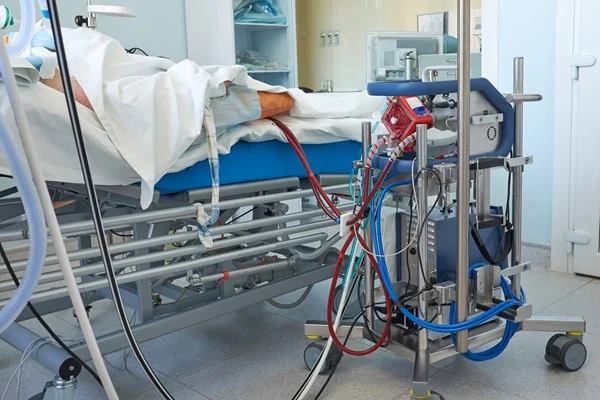
Out here, the ECMO setup moves blood beyond the body using a custom-built device. From the person’s veins, it pulls fluid via thick lines known as cannulas before shuttling it into an artificial lung unit – there, fresh oxygen slips in while waste gas slips out. After that shift, the revitalized flow heads back inside circulation. Because of this loop, vital areas like the brain, liver, and kidneys keep getting nourished with life-sustaining oxygen, even if breathing or pumping fails hard.
One type of ECMO helps mainly with breathing problems. When the lungs fail due to serious pneumonia or ARDS, this version steps in – blood gets oxygen without stressing the heart. It works if the heart still pumps well enough on its own. Another kind takes over for both heart and lungs. Suppose a person faces sudden heart failure or survives a massive heart attack – that’s when this support becomes vital. Cases like inflammation of the heart muscle or recovery after tough surgeries also fit here. Oxygen moves through tubes outside the body so organs keep working while healing begins.
When regular breathing machines, drugs, or standard ICU methods stop working well enough, doctors may turn to ECMO. Not used at the start, it comes into play only when a patient stays dangerously unsteady even after strong treatments. This kind of support tends to happen in high-level ICUs where skilled groups take charge – specialist physicians, heart experts, blood flow technicians, anesthesia providers, and nurses with focused training lead the way.
Getting someone onto ECMO takes close watchfulness, step by step. Into big veins – often in the neck, chest, or leg – go thick tubes, placed just right based on what kind of help is required. As soon as blood starts moving through the device, eyes stay fixed on the person at all times. Pressure in arteries, how much oxygen moves through tissues, whether blood clots too fast or slow, signs from organs, and fluids shifting inside – all these shift once the machine runs, so checks never stop. Each detail matters since flow patterns change completely when outside pumps take over.
Even when ECMO saves lives, things get complicated fast. Blood flows through a machine outside the body, so drugs that thin the bloodstream often enter the picture – this opens the door to possible bleeds needing close watch. Staying ahead of infections matters just as much since weak patients face higher dangers the longer they stay on heavy treatment.
Time bought by ECMO often makes the difference. When organs need rest, healing can begin once infections fade, swelling drops, or wounds heal under support. Some patients move on toward transplants – heart or lung – with help from this temporary step. For others, it opens a path to complex procedures that follow only after stability returns.
Most times, how well someone bounces back from ECMO ties back to what made them need it in the first place. Not everyone comes off the machine at the same pace – some ease out over a few days, others take more time. When the organs start working better, medical teams dial down the support bit by bit. The goal? Letting the body handle blood flow and oxygen on its own again.
When things go very wrong, machines step in – ECMO kicks in when breathing or heart support fails beyond normal fixes. Success shows up not through gadgets alone, yet hinges on how fast teams act, who stands nearby ready, plus constant watching at the bedside. Lives tilt back toward breath even after standard paths run out. This tool stays rare, heavy, vital inside ICU walls, catching those moments medicine otherwise might miss.