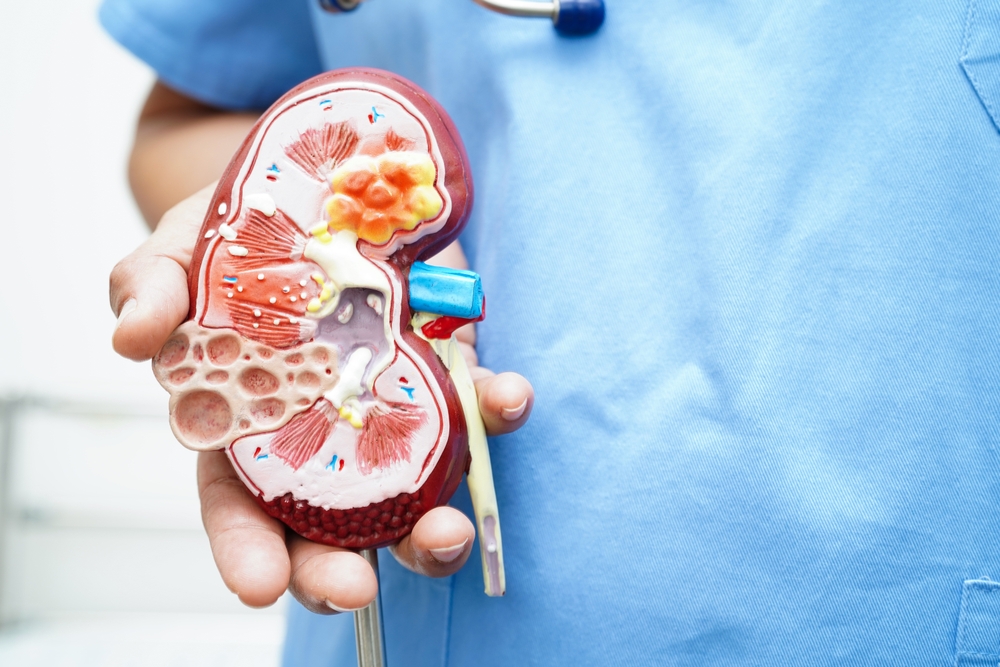
Kidney Transplant
When kidney function declines severely and both kidneys can no longer perform their essential role effectively, daily life becomes increasingly difficult. Fatigue becomes constant, appetite changes, swelling develops, and regular dialysis may become part of routine living. For many patients in this stage, kidney transplant offers a long-term treatment option that can significantly improve quality of life.
A kidney transplant is considered when kidney failure becomes advanced and medical management alone is no longer enough to maintain stable health.
What a Kidney Transplant Involves
A kidney transplant is a surgical procedure in which a healthy kidney from a donor is placed into the patient’s body to take over kidney function.
The transplanted kidney begins filtering blood and supporting normal body balance, reducing or eliminating dependence on dialysis in many cases.
The patient’s own kidneys are usually left in place unless specific medical reasons require otherwise.
When Transplant Becomes Necessary
Kidney transplant is usually recommended for patients with:
- advanced chronic kidney disease
- end-stage kidney failure
- long-term dialysis dependency
- progressive kidney damage not responding to treatment
This decision is made only after detailed medical evaluation.
Careful Evaluation Before Transplant
Transplant surgery requires extensive preparation.
Doctors assess:
- overall physical health
- heart function
- infection status
- compatibility with donor tissue
- long-term transplant suitability
Because every patient’s condition is different, evaluation is highly individualized.
Donor Compatibility and Safety
A donor kidney may come from a living donor or a medically approved deceased donor program.
Compatibility testing is essential to reduce rejection risk.
This includes:
- blood group matching
- tissue compatibility assessment
- immune response evaluation
Every step is designed to improve transplant success.
Surgery and Immediate Recovery
Kidney transplant surgery is carefully planned and performed under close monitoring.
After surgery, doctors observe:
- urine output
- kidney function
- blood pressure
- signs of rejection
- infection risk
Early recovery often requires several days of hospital supervision.
Life After Kidney Transplant
Transplant care continues long after surgery.
Patients need regular medication to prevent the body from rejecting the new kidney.
Follow-up includes:
- blood investigations
- kidney function monitoring
- infection prevention
- medication adjustment
Why Long-Term Monitoring Is Essential
A transplanted kidney requires lifelong care.
Even when the patient feels well, regular medical review remains necessary to ensure stable function.
Ignoring follow-up can affect transplant success over time.
How Transplant Improves Quality of Life
For many patients, transplant offers greater freedom compared with long-term dialysis.
Energy levels often improve, appetite returns, and daily routines become easier.
However, successful transplant care depends on strict medical discipline.
A Supportive Approach to Transplant Care
Kidney transplant is not only a surgery—it is a long-term treatment journey involving careful planning, patient education, and continued specialist supervision.
With the right care, many patients return to active daily living with improved overall health.