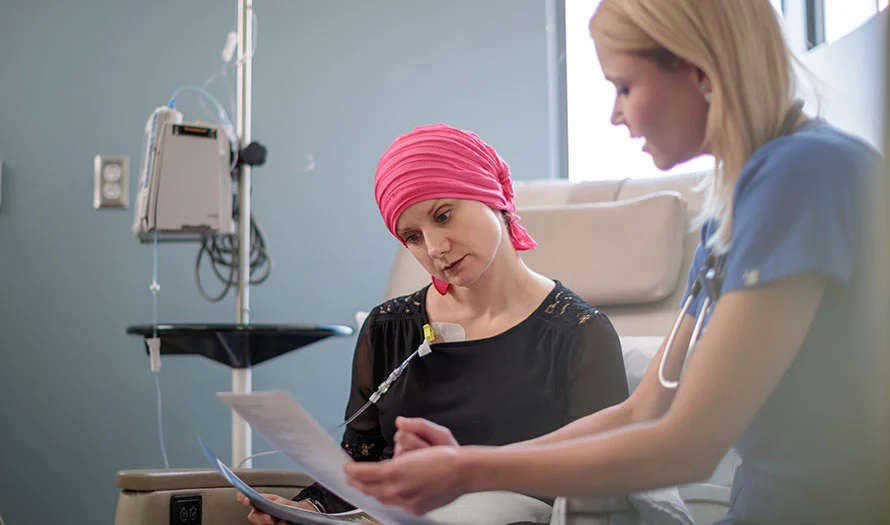
Cancer often meets its match through chemotherapy, a standard approach doctors turn to. Though tough, it plays a key role in slowing down or wiping out harmful cells. Medicines designed to attack rapidly dividing cells make up the core of this therapy. Spreading gets harder for tumors when these drugs step in, lowering the odds they come back.
Most times, chemo comes up when tumors need shrinking first – doctors might start it that way. After cutting out the main mass, they often continue treatment just to clean up stray cells hiding around. Together with radiation or special drug attacks, it slots into bigger strategies shaped by how things look under the microscope. Delivery shifts too: needles into veins show up regularly, though swallowing pills works for some bodies and certain cancers. Other paths open depending on what the illness demands and where the person stands.
Not everyone gets the same chemo – each path is shaped by how someone’s body responds. Health status, where the illness stands, along with what the person hopes to achieve guides choices made behind the scenes. Tiredness might show up. So could queasiness. Hair may fall out for a while. Still, today’s extra support measures make the journey easier than before. Watchful oversight combined with small tweaks keeps things steady. This approach builds space for healing to take hold without doubt.