General Surgery
Out here, fixing things cuts deep into daily work – surgery handles everything from sudden crises to long-standing issues across many body areas. Instead of just naming organs, think belly troubles, digestion hiccups, swollen glands, bulges where they shouldn’t be, skin growths, or urgent cases needing quick hands. Over at Gramy Hospital, surgeons take charge with methods built around healing fast, hurting less, and getting results that stick – no matter if the patient is young or well along in years. Precision guides each move, backed by science, not guesses. Recovery matters just as much as the cut itself. Trust comes from consistency, skill, quiet confidence. Complications shrink when experience leads the way. People walk out sooner now than they once did. That shift didn’t happen by accident – it grew from choices made every day inside sterile rooms lit bright. Age doesn’t block access; care bends to fit whoever shows up needing help. The tools evolve, yet purpose stays fixed: fix it right, keep harm low, send them back stronger.
Surgery shows up in many medical situations, whether expected or sudden. When pills fail to ease symptoms, cutting might become necessary. Take appendicitis or gallstones – these often need hands-on treatment. Piles, fissures, even fistulas fall into that same category. Hernias pull on tissues where they should not. Thyroid swellings, odd bumps in breasts, blockages in the gut – each can demand attention. Infections deep inside the belly rarely fade without help. Spotting trouble early changes outcomes. Acting fast keeps things from worsening. Recovery tends to go smoother when timing lines up right.
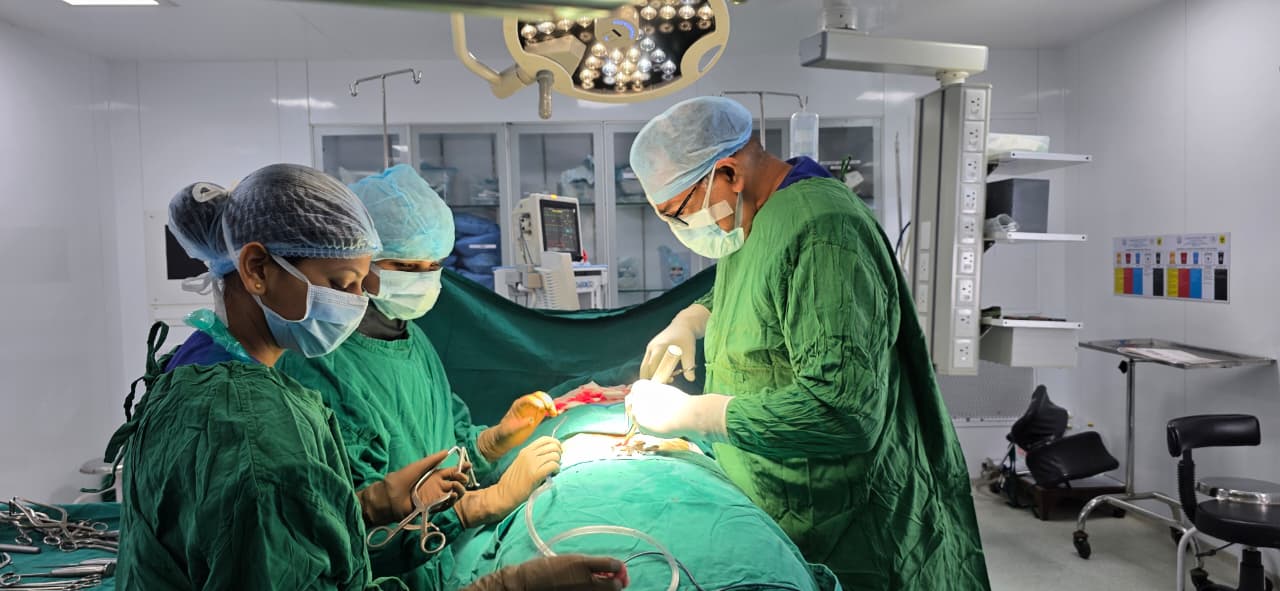
Each surgery at Gramya Hospital starts with a close look at the person’s health through exams and tests. Not until all details are reviewed does the team consider any operation – symptoms, past illnesses, scans, blood work guide their thinking. Only once they grasp how strong someone is physically do they decide if cutting into the body makes sense medically. Decisions shift based on things like years lived, other sicknesses present, how fast healing might happen, whether waiting could be dangerous.
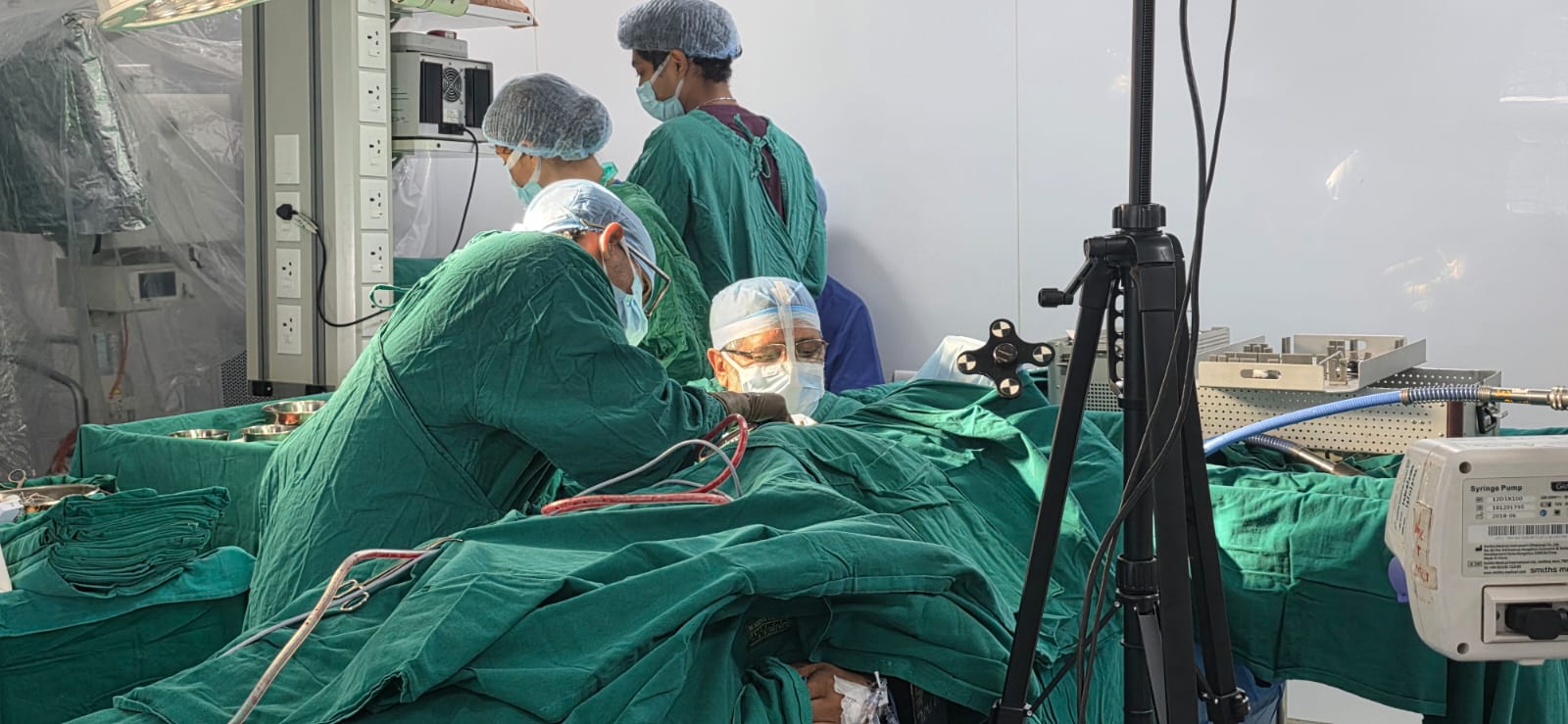
These days, many surgeons choose tiny cuts instead of large ones when doing operations – a method often called keyhole surgery. Inside those little openings, they slide tools plus a mini video lens that shows what’s happening inside the body. Because everything’s guided by live images on a screen, movements become more exact. Unlike older ways that required big wounds across the belly, this path usually brings milder soreness afterward. Blood loss drops down too, patients leave beds quicker, marks fade easier, life gets back to normal without long waits. Doctors at Gramy Hospital pick this route if it fits the illness, since people feel better sooner and heal smoother.
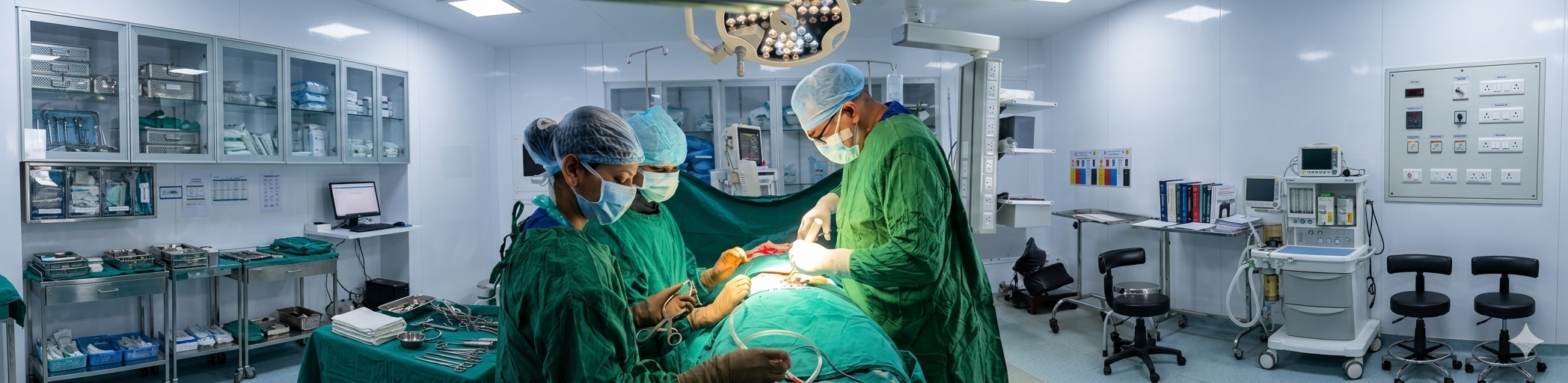
Most people get their gallbladders out through small cuts using a scope. A burst appendix often gets fixed the same way. Hernias can be mended without large openings too. Doctors check belly issues like this when they need answers. Some gut operations work well with these methods as well. Less cutting leads to less pain afterward. People leave beds sooner than before. Clean rooms help keep infections away during surgery. Tools that track vital signs stay close by at all times. Safety goes up when everything runs smoothly.
One of the busiest operations in general surgery fixes hernias. What happens. An organ pokes out where muscles have thinned, often around belly or groin spots. Swelling shows up. So does soreness. Especially during heavy lifts or hours on your feet. Fixing it with surgery tends to work best since ignoring it might make it grow worse – even cause blockages. Doctors frequently stitch in mesh to shore up the weakened wall, keeping things from coming back later.
Most folks needing surgery run into gallbladder issues at some point. Pain shows up when stones form, sometimes bringing nausea or a heavy belly feeling along with them. Infection can tag in if things get backed up too long. Bile movement gets interrupted, which causes more trouble than expected. If flare-ups keep coming back or hit hard, taking the organ out often makes sense. Doctors lean toward laparoscopy since it tends to go smoothly. Healing happens faster compared to older methods, so that route wins most times.
When the appendix swells up, it sets off a medical crisis needing quick care. Without treatment, it can burst, spilling harmful material into the belly area. Pain often shows up first around the navel before shifting lower right. A high temperature joins nausea along with refusal to eat. Getting surgery fast stops worse problems from taking hold.
Piles, fissures, fistula, or abscesses – these anorectal issues fall under general surgery. Affecting daily comfort, they often bring pain, bleeding, and ongoing irritation. With newer techniques available, healing tends to happen faster than before.
Removing part of the thyroid becomes necessary if lumps, swelling, overactivity, or unusual tissue appear. Since the gland sits near critical areas in the neck, how the operation unfolds really matters. Skilled hands make it possible to fix problems without harming nearby functions.
Most breast operations fall within general surgery, handling non-cancerous growths by taking them out. Infections get attention through proper care for abscesses. When something unusual shows up on a scan, doctors may act fast to remove it before things progress. Checking issues quickly makes a real difference later. Results turn out better if problems are spotted sooner.

Saving lives through quick surgery is a core part of what general surgeons do. When the gut gets torn, an injury hits the belly, blockages form, blood leaks inside, or infections turn dangerous – time matters. At Gramya Hospital, teams stay prepared every day, just in case sudden operations are needed. If trouble strikes, help arrives fast, right when it counts.
Healing doesn’t stop when the operation ends – recovery matters just as much. After surgery, attention shifts to managing discomfort, checking how wounds close, watching for signs of infection, also getting movement started early. Guidance during these days shapes how smoothly someone gets back to routine tasks without setbacks.
A good surgery team shows its strength not just in successful operations, yet through honest talks, clear advice, and steady care over time. What stands out at Gramya Hospital is how doctors describe each step simply, share possible problems openly, then walk beside people from start to finish. Less worry grows when information flows freely, stronger belief builds ahead of the procedure.
Most folks think surgeons only cut, yet care goes way beyond the knife. Seeing someone early means problems stay small – fixes turn easier. Diagnosis kicks things off, then exact moves during surgery matter just as much. Healing gets mapped out before stitches close. Guidance afterward helps stop repeat issues. Prevention slips into every step without making noise.
Today’s operations move ahead thanks to progress in medical techniques – smoother anesthetics make procedures gentler. Infection risks drop because hygiene standards rise steadily. Healing speeds up, helped by smarter recovery tools. Precision grows through digital aids guiding each cut. Care aims at one thing: bringing back well-being without losing ease, respect, or daily joy.
Available Doctors Under Food & Nutrition
Dr. Zaffar Karam Sayed
Consultant Urologist | Andrologist | Uro-OncosurgeonDr. Waseem M.R. Siddiqui
Consultant Orthopedic Surgeon | Arthroscopy & Shoulder SurgeonDr. Varsha Patil
Gynaecologist & Obstetrician | Laparoscopic Surgeon | Cosmetic Gynec SurgeonDr. Sadique Ahmad Khan
Consultant Orthopaedic Surgeon | Joint Reconstruction & Replacement | Sports MedicineAsk Any Question If You Have
Your email address will not be published. Required fields are marked *