Pain control aims less at just easing soreness more at getting movement back, boosting self-reliance, guiding people toward everyday routines. Starting point? A careful medical checkup spotting where it hurts, how strong, how long it lasts, its rhythm. Nerve signals, joint stress, muscle strain, bone issues, organ trouble – experts weigh each chance before shaping care built around one person.
Pain care today brings together different specialists who rely on proven methods. When doctors identify the issue, they might suggest drugs along with physical therapy or precise injections instead. Nerve blocks can help some patients, while others benefit more from small surgeries that don’t cut deep. Recovery often includes guided movement routines combined with changes in daily habits. People frequently seek relief for long-term spine soreness, stiff necks, sharp leg pain caused by sciatic irritation, bulging discs pressing nerves, aching joints, swelling linked to arthritic conditions, severe headaches striking without warning, shoulders that barely move, strains from athletic effort, burning sensations from damaged nerves, even lingering hurt after operations.
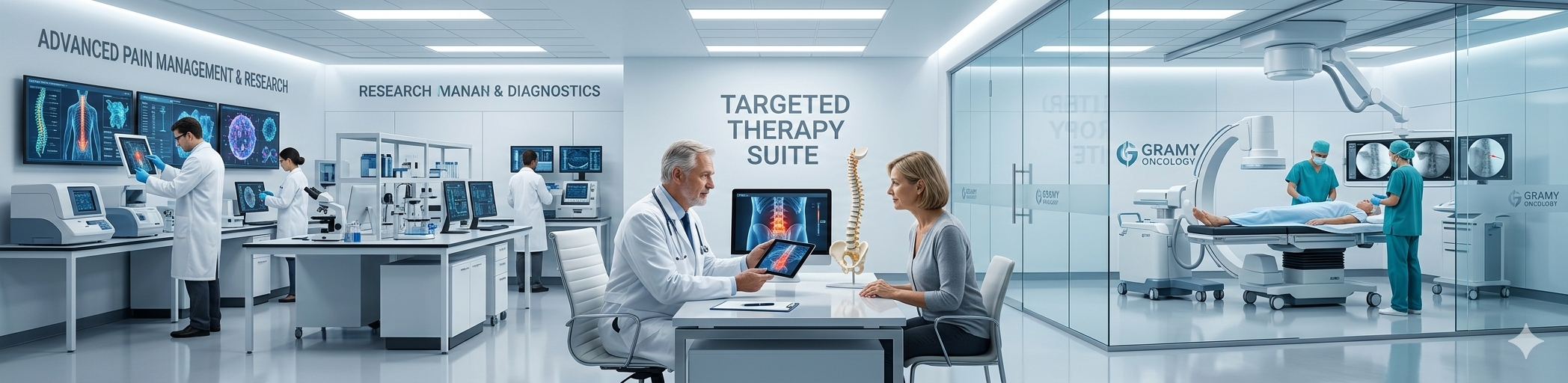
Spine trouble? Modern imaging helps guide shots that go right where needed. Not every ache means an operation – some find these treatments cut swelling fast. Relief shows up quicker when medicine lands at the source, not scattered around. Skip the big knife; many stay clear of surgery after trying them. Precision matters most when nerves act up near the backbone.
Heat applied carefully to certain nerves might ease persistent discomfort when standard treatments fall short. Some people with ongoing neck, lower back, or joint issues find relief lasting months after this procedure. Instead of medication, a targeted method interrupts how pain travels through specific nerve pathways.
Comfort matters just as much as treatment when dealing with cancer. Though pills help, real relief often comes from mixing medicines with counseling or minor medical steps. Each person gets a different mix, shaped by how they feel and what helps them stay steady day after day.
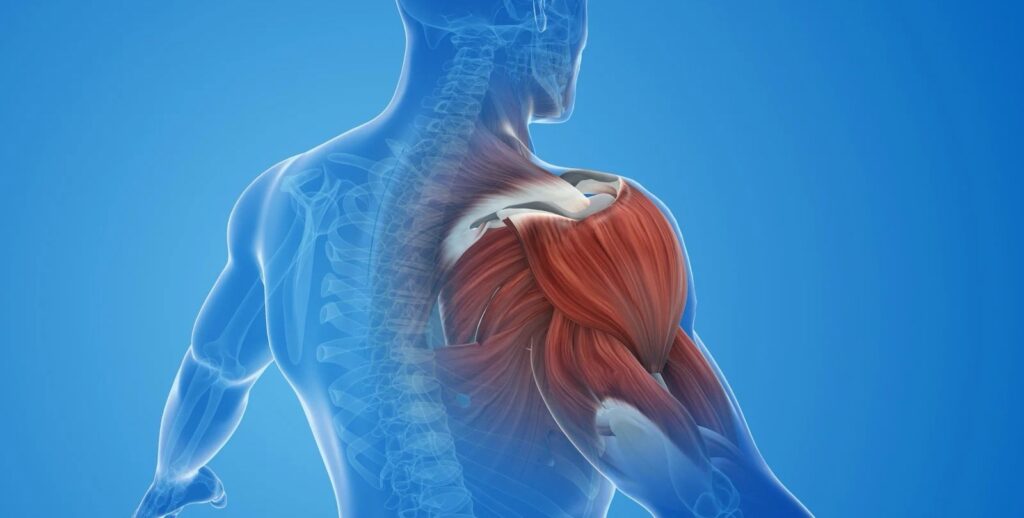
Pain in bones and muscles usually gets better with regular physical therapy that builds strength, helps body alignment, brings back movement, while lowering chances of coming back. Weight control matters too, along with how you sit, move, work, plus handling daily tension – all part of staying ahead of ongoing discomfort.
When long-term pain shows up, it can shake mood and mindset. So care plans look at rest, worry, tiredness, even how pressure builds inside. What matters most is seeing the whole person – not just aching parts. Healing means lining up body signals with daily life balance.
With careful treatment plans, people start moving more freely again. Better everyday activities become possible once discomfort fades. Long-term medicine use drops when relief comes another way. Safety stays central as each plan fits only one person. Life feels fuller because support matches real needs.