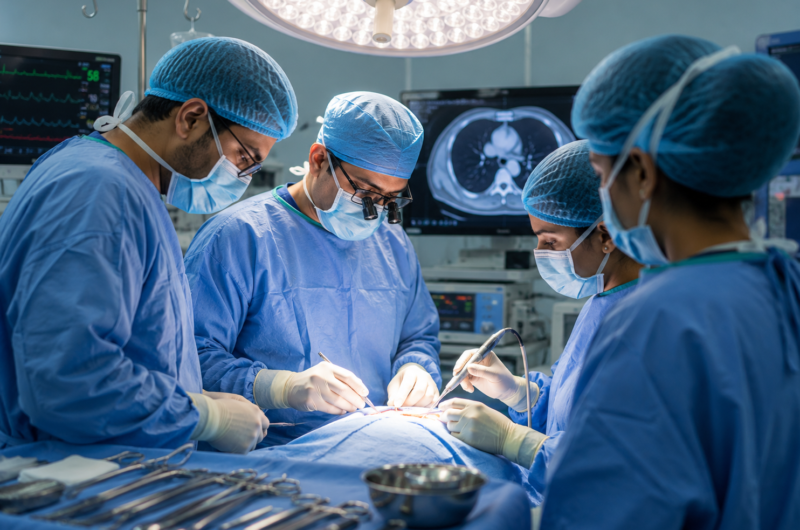
ENT Surgery: Why Persistent Ear, Nose, and Throat Problems Should Not Be Ignored

Most people rarely think about their bones, joints, or ligaments until pain begins to interfere with ordinary life. It may start quietly—a knee that hurts while climbing stairs, stiffness in the shoulder after waking up, or lower back pain that lingers longer than expected. Over time, simple activities such as walking, bending, lifting, or even standing for long periods can become uncomfortable.

That is usually the point when orthopedic care becomes important.

Orthopedic surgery is one of the most significant medical specialties for restoring movement, relieving pain, and helping people return to daily activities with confidence. While not every bone or joint problem requires surgery, some conditions improve best when treated through carefully planned orthopedic procedures.

Understanding Orthopedic Surgery

Orthopedic surgery focuses on conditions affecting the musculoskeletal system, which includes bones, joints, muscles, ligaments, tendons, and supporting tissues.

The goal is not only to treat injury or disease but also to restore function. For many patients, this means being able to move freely again without persistent pain.

Orthopedic specialists treat patients of all ages—from young athletes with sports injuries to older adults dealing with age-related joint degeneration.

Common Conditions That May Need Orthopedic Surgery

Orthopedic problems can develop suddenly because of injury or gradually over time due to wear and tear.

Some of the most common conditions include:

  • Fractures and broken bones
  • Knee pain due to ligament injury
  • Hip joint degeneration
  • Severe arthritis
  • Frozen shoulder
  • Spine-related pain
  • Tendon tears
  • Sports injuries

A patient with chronic knee pain, for example, may initially manage discomfort with medication or rest. But when walking becomes difficult or swelling increases repeatedly, further orthopedic evaluation becomes necessary.

When Pain Should Not Be Ignored

People often delay treatment because they believe joint pain is simply part of aging. While some stiffness may come with age, persistent pain is not something that should be accepted as normal.

Signs that require orthopedic consultation include:

  • Joint pain lasting several weeks
  • Difficulty walking
  • Swelling after minor movement
  • Reduced flexibility
  • Pain during daily activities
  • Repeated sports injuries
  • Instability in the knee or shoulder

When these symptoms continue, the underlying issue may worsen if left untreated.

Common Orthopedic Procedures

Modern orthopedic surgery offers many options depending on the condition and severity.

Joint Replacement Surgery

Joint replacement has become one of the most effective treatments for severe arthritis.

In this procedure, damaged parts of a joint are replaced with artificial components designed to restore movement and reduce pain.

Knee and hip replacements are especially common among older adults whose daily movement has become limited.

Arthroscopy

Arthroscopy is a minimally invasive procedure where a small camera is inserted into the joint.

This allows surgeons to diagnose and treat problems such as:

  • torn ligaments
  • cartilage damage
  • joint inflammation

Because the incision is small, recovery is often quicker.

Fracture Fixation Surgery

Some fractures require surgical support using metal plates, screws, or rods to ensure proper healing.

This is particularly important when bones are displaced or unstable.

The Role of Rehabilitation After Surgery

Orthopedic surgery does not end in the operating room. Recovery depends heavily on rehabilitation.

Physiotherapy helps patients regain:

  • strength
  • balance
  • flexibility
  • confidence in movement

Many people notice steady improvement over weeks as muscles become stronger and joints adapt.

Why Early Treatment Makes a Difference

Delaying orthopedic care often leads to worsening joint damage.

For example, untreated ligament injury may eventually affect surrounding cartilage, making treatment more complex later.

Early diagnosis often means:

  • smaller procedures
  • faster recovery
  • less pain
  • better long-term mobility

Modern Orthopedic Care Is More Comfortable Than Before

A common fear among patients is that surgery means long hospital stays and prolonged discomfort.

However, advances in modern orthopedic techniques now allow many procedures to involve:

  • smaller incisions
  • reduced pain
  • shorter recovery periods
  • early mobilization

In many cases, patients begin walking sooner than they expect.

Final Thoughts

Orthopedic surgery plays an essential role in helping people return to active, comfortable living. Whether the issue is arthritis, injury, fracture, or joint degeneration, proper treatment can greatly improve quality of life.

Pain that affects daily movement should never be ignored, because the sooner the condition is evaluated, the better the chances of successful recovery.

Neurosurgery: When Advanced Brain and Spine Care Can Change Lives

For many people, the word neurosurgery immediately sounds serious—and understandably so. Anything related to the brain, spine, or nervous system often brings concern because these are the systems that quietly control almost everything we do: movement, speech, memory, balance, sensation, and even basic body functions like breathing.

But neurosurgery today is not only about highly complex emergency procedures. It has evolved into a highly advanced medical specialty that can help treat a wide range of conditions affecting the brain, spine, and nerves—often with safer techniques, better precision, and faster recovery than many people expect.

In many cases, timely surgical treatment can significantly improve quality of life, relieve long-term pain, and prevent serious complications.

What Exactly Is Neurosurgery?

Neurosurgery is a specialized branch of surgery that deals with conditions affecting the nervous system, including the brain, spinal cord, and peripheral nerves. While people often associate it only with brain operations, neurosurgeons also perform many procedures related to the spine, nerve compression, trauma, and neurological disorders.

A neurosurgeon is trained to evaluate whether surgery is necessary, what type of intervention is safest, and how to protect delicate nerve structures during treatment.

The need for neurosurgery may arise suddenly in emergencies such as head injuries, brain bleeding, or spinal trauma. In other situations, surgery may be planned after symptoms gradually worsen over time.

Conditions That Commonly Require Neurosurgical Care

Not every neurological condition leads to surgery, but certain problems do require surgical intervention when medication or conservative treatment is no longer enough.

Some common conditions include:

  • Brain tumors
  • Slipped disc or herniated disc
  • Spinal cord compression
  • Brain hemorrhage
  • Hydrocephalus
  • Severe head injuries
  • Nerve compression disorders
  • Certain epilepsy cases
  • Degenerative spine disease

For example, a person living with chronic lower back pain may initially ignore the symptoms, assuming it is muscular strain. But if pain starts traveling down the legs, causes numbness, or affects walking, it may indicate pressure on spinal nerves that requires specialist evaluation.

When Symptoms Should Not Be Ignored

Neurological symptoms often develop gradually, and many patients delay medical consultation because they assume the problem will resolve on its own.

However, some warning signs should never be overlooked:

  • Persistent or severe headaches
  • Sudden weakness in arms or legs
  • Difficulty speaking clearly
  • Loss of balance
  • Repeated dizziness
  • Numbness or tingling sensations
  • Seizures
  • Vision disturbances
  • Neck or back pain with nerve symptoms

These symptoms do not always mean surgery is needed, but they do indicate that proper neurological evaluation is important.

Common Neurosurgical Procedures

Modern neurosurgery includes several types of procedures depending on the condition involved.

Brain Tumor Surgery

Brain tumors may be benign or malignant, but even non-cancerous tumors can create pressure inside the skull and affect important brain functions.

Surgery is often performed to remove as much of the tumor as safely possible while protecting surrounding healthy brain tissue.

Spine Surgery

Spinal procedures are among the most commonly performed neurosurgical treatments today.

These surgeries may be recommended for:

  • Disc prolapse
  • Spinal stenosis
  • Vertebral instability
  • Nerve root compression

The goal is usually to relieve pressure on nerves and restore function.

Minimally Invasive Spine Surgery

One of the biggest advances in recent years is minimally invasive spinal surgery.

Instead of large cuts, surgeons use smaller incisions and specialized instruments, which often means:

  • less blood loss
  • reduced pain after surgery
  • shorter hospital stay
  • quicker recovery

This is especially helpful for patients who want to return to daily life sooner.

Technology Has Changed Neurosurgery Significantly

Neurosurgery today is very different from what many people imagine.

Advanced tools such as:

  • high-resolution imaging
  • neuronavigation systems
  • operating microscopes
  • intraoperative monitoring

allow surgeons to work with much greater precision.

These technologies help reduce risks and improve outcomes, particularly when operating near sensitive brain or spinal structures.

Recovery After Neurosurgery

Recovery depends on the type of surgery, the patient’s age, general health, and the condition being treated.

Some procedures may require only a short hospital stay, while more complex surgeries need longer monitoring and rehabilitation.

Recovery often includes:

  • pain management
  • physiotherapy
  • movement exercises
  • follow-up imaging
  • regular neurological review

Many patients notice gradual improvement rather than immediate results, especially after spine-related surgeries.

Why Early Diagnosis Matters

One of the biggest challenges in neurological conditions is delayed diagnosis.

People often tolerate symptoms for months—especially headaches, neck pain, or back pain—until daily life becomes difficult.

But early diagnosis often gives better treatment options and reduces the risk of long-term nerve damage.

For instance, nerve compression treated early may fully recover, while delayed treatment can sometimes leave lasting weakness or numbness.

Neurosurgery Is Not Always a Last Resort

A common misconception is that neurosurgery is only considered when everything else has failed.

In reality, neurosurgeons first assess whether non-surgical treatment can work. Surgery is advised only when it offers clear benefit or prevents worsening complications.

In many cases, timely surgery actually prevents larger problems later.

Final Thoughts

Neurosurgery remains one of the most advanced areas of modern medicine because it deals with the body’s most delicate systems. Whether treating spinal pain, brain conditions, trauma, or nerve disorders, the goal is always the same: protect function, reduce suffering, and improve quality of life.

The most important step is not fear—it is timely medical evaluation. When neurological symptoms are understood early, treatment becomes more effective and recovery often becomes smoother for the patient and family alike.

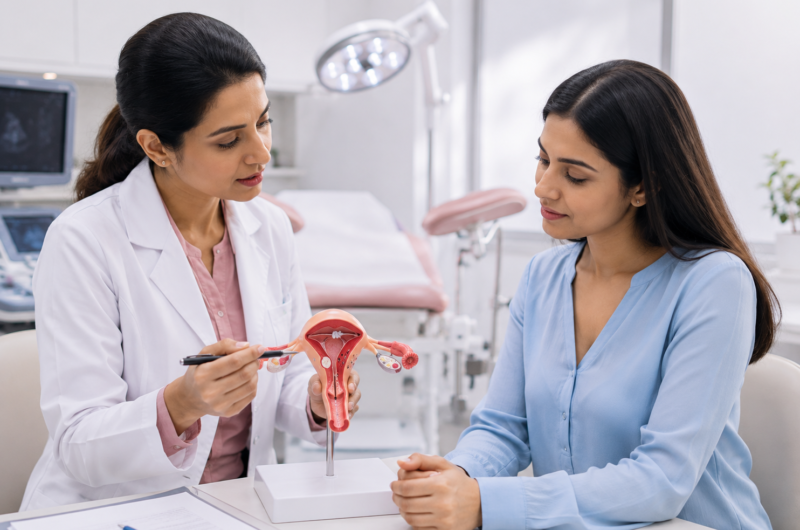
Understanding Irregular Periods: When Should You See a Gynaecologist?

Understanding Joint Pain: When Should You See an Orthopedic Surgeon?

Joint pain is a condition that everyone at some point in their life has experienced. Joint pain can start as a minor pain in the joints after a day’s work. However, sometimes joint pain can persist and affect one’s daily activities. At such times, one should consider visiting an orthopedic surgeon. Orthopedic surgeons specialize in the diagnosis and treatment of orthopedic conditions that affect the musculoskeletal system. The musculoskeletal system consists of all the bones in our body, joints, ligaments, and muscles. Orthopedic surgeons help in the early diagnosis and treatment of orthopedic conditions. Such early treatments help in avoiding further complications and quick recovery to normal activities.

Common Causes of Joint Pain

Joint pain can be caused by a number of factors. The common causes of joint pain include:

  1. Arthritis

Arthritis is one of the primary causes of joint pain. Joint pain can be caused by osteoarthritis and rheumatoid arthritis. Both these forms of arthritis can cause stiffness and swelling in the joints. Such conditions can affect the mobility of the joints.

  1. Sports Injuries

People who participate in sports activities are at a greater risk of sustaining injuries in the joints. Such injuries can include ligament injuries, muscle injuries, and bone fractures.

  1. Age-Related Wear and Tear

As people age, the cartilage in the joints tends to wear and tear. Such wear and tear in the joints can cause joint pain. The cartilage in our joints can wear and tear over a period of time. The wear and tear in the joints can cause stiffness and swelling in the joints. Such conditions can affect the mobility of the joints. The cartilage in our joints can wear and tear over a period of time. The wear and tear in the joints can cause stiffness and swelling in the joints. Such conditions can affect the mobility of the joints.

  1. Fractures and Trauma

People who get involved in accidents can suffer from joint pain. Joint pain can be caused by fractures in the joints.

Signs You Should See an Orthopedic Specialist

There are many people who live with joint discomfort until the discomfort becomes severe. However, there are signs that should be taken seriously.

You should seek an orthopedic specialist’s attention when you experience:

  • Persistent discomfort in the joints that lasts for more than a few weeks
  • Trouble walking or engaging in any activity
  • Swelling, redness, or warmth around the joints
  • Inability to move the joints
  • Instability or weakness in the joints
  • Consulting an orthopedic specialist will help you determine the cause of the discomfort. This will ensure that the discomfort does not become worse.

Treatment Options in Orthopedic Care

Orthopedic treatment is usually determined by the level of discomfort. In most cases, the discomfort can be managed without surgery.

  • Non-surgical procedures that may be recommended for the discomfort include:
  • Physical therapy
  • Pain management medications
  • Lifestyle changes
  • Injections

If the discomfort does not improve with the above procedures, surgery may be recommended. Recent advances in medical procedures have ensured that patients who undergo orthopedic surgery experience a quick recovery.

Maintaining Healthy Joints

There are some factors that may cause discomfort in the joints. However, there are actions that can be taken to ensure that the joints are healthy.

You should:

  • Maintain a healthy weight
  • Exercise regularly
  • Eat a balanced meal that is rich in calcium and vitamin D
  • Avoid repetitive strain injury

When to Seek Medical Advice

You should seek medical attention when you experience discomfort in the joints. The discomfort may be a result of a number of factors. However, it is important to ensure that the discomfort is managed to avoid further complications.

If you experience discomfort in the joints, you should seek the attention of an orthopedic specialist. This will ensure that you regain your comfort.

What Is General Surgery?

What Is General Surgery?

General surgery is an important part of medicine. It deals with finding out what is wrong with someone and then using surgery to fix the problem. General surgeons are doctors who are trained to operate on different parts of the body. They can fix problems with the belly, the system, the skin and other soft parts of the body.

Sometimes people can take medicine to feel better.. Sometimes surgery is the best way to fix the problem and prevent more serious issues from happening.

General surgeons treat kinds of conditions that might need surgery.

1. Appendicitis

Appendicitis is when the appendix gets swollen or infected. This usually causes bad pain in the belly and the appendix needs to be removed right away.

2. Hernia

A hernia happens when an organ inside the body pushes through a spot in the muscle or tissue. This can look like a bulge in the belly or groin. Usually needs to be fixed with surgery.

3. Gallbladder Problems

Gallstones or a swollen gallbladder can cause pain, nausea and problems with digestion. Often the best thing to do is remove the gallbladder using a kind of surgery called laparoscopic surgery.

4. Gastrointestinal Conditions

General surgeons also treat problems with the system. This includes things like blocked intestines, diseases of the colon and rectum and some kinds of tumors.

Modern surgery is much better than it used to be

New medical tools and techniques have made surgery much safer and more effective. Many surgeries are now done using cuts and special instruments. This is called invasive surgery. It has benefits:

  • Less pain after surgery
  • Smaller scars
  • Faster healing
  • Shorter time in the hospital

All of these improvements mean that people can get back to their normal lives much sooner than they used to.

When Should You See a General Surgeon?

Some symptoms are very serious. Should not be ignored. You should see a surgeon if you have:

  • Pain in the belly that will not go away
  • Swelling or lumps that you do not know what they are
  • Digestive problems that do not get better with treatment
  • Very bad pain, in the belly that happens suddenly

If you get help early you can prevent serious problems and feel better faster.

Recovery After Surgery

How long it takes to recover from surgery depends on what kind of surgery you had and how healthy you’re. It is very important to listen to your doctor eat food and get plenty of rest so you can heal properly.

Most people are told to start doing normal things again but to avoid heavy exercise while they are recovering.

Final Thoughts

General surgery is a part of treating many common health problems. With surgical techniques and good medical care many surgeries are now much safer and more effective than they used to be.

If you are having symptoms that might need surgery you should go see a doctor. They can help you get the treatment at the right time and make sure you recover smoothly.

Understanding Joint Pain: When Should You See an Orthopedic Surgeon?

Understanding Joint Pain: When Should You See an Orthopedic Surgeon?

Joint pain is a condition that everyone at some point in their life has experienced. Joint pain can start as a minor pain in the joints after a day’s work. However, sometimes joint pain can persist and affect one’s daily activities. At such times, one should consider visiting an orthopedic surgeon. Orthopedic surgeons specialize in the diagnosis and treatment of orthopedic conditions that affect the musculoskeletal system. The musculoskeletal system consists of all the bones in our body, joints, ligaments, and muscles. Orthopedic surgeons help in the early diagnosis and treatment of orthopedic conditions. Such early treatments help in avoiding further complications and quick recovery to normal activities.

Common Causes of Joint Pain

Joint pain can be caused by a number of factors. The common causes of joint pain include:

  1. Arthritis

Arthritis is one of the primary causes of joint pain. Joint pain can be caused by osteoarthritis and rheumatoid arthritis. Both these forms of arthritis can cause stiffness and swelling in the joints. Such conditions can affect the mobility of the joints.

  1. Sports Injuries

People who participate in sports activities are at a greater risk of sustaining injuries in the joints. Such injuries can include ligament injuries, muscle injuries, and bone fractures.

  1. Age-Related Wear and Tear

As people age, the cartilage in the joints tends to wear and tear. Such wear and tear in the joints can cause joint pain. The cartilage in our joints can wear and tear over a period of time. The wear and tear in the joints can cause stiffness and swelling in the joints. Such conditions can affect the mobility of the joints. The cartilage in our joints can wear and tear over a period of time. The wear and tear in the joints can cause stiffness and swelling in the joints. Such conditions can affect the mobility of the joints.

  1. Fractures and Trauma

People who get involved in accidents can suffer from joint pain. Joint pain can be caused by fractures in the joints.

Signs You Should See an Orthopedic Specialist

There are many people who live with joint discomfort until the discomfort becomes severe. However, there are signs that should be taken seriously.

You should seek an orthopedic specialist’s attention when you experience:

  • Persistent discomfort in the joints that lasts for more than a few weeks
  • Trouble walking or engaging in any activity
  • Swelling, redness, or warmth around the joints
  • Inability to move the joints
  • Instability or weakness in the joints
  • Consulting an orthopedic specialist will help you determine the cause of the discomfort. This will ensure that the discomfort does not become worse.

Treatment Options in Orthopedic Care

Orthopedic treatment is usually determined by the level of discomfort. In most cases, the discomfort can be managed without surgery.

  • Non-surgical procedures that may be recommended for the discomfort include:
  • Physical therapy
  • Pain management medications
  • Lifestyle changes
  • Injections

If the discomfort does not improve with the above procedures, surgery may be recommended. Recent advances in medical procedures have ensured that patients who undergo orthopedic surgery experience a quick recovery.

Maintaining Healthy Joints

There are some factors that may cause discomfort in the joints. However, there are actions that can be taken to ensure that the joints are healthy.

You should:

  • Maintain a healthy weight
  • Exercise regularly
  • Eat a balanced meal that is rich in calcium and vitamin D
  • Avoid repetitive strain injury

When to Seek Medical Advice

You should seek medical attention when you experience discomfort in the joints. The discomfort may be a result of a number of factors. However, it is important to ensure that the discomfort is managed to avoid further complications.

If you experience discomfort in the joints, you should seek the attention of an orthopedic specialist. This will ensure that you regain your comfort.

ENT Surgery

Common ENT Problems and When Surgery May Be Required

Ear, nose, and throat problems are among the most common health concerns affecting people of all ages. From chronic sinus infections to hearing problems, ENT conditions can significantly affect daily life if left untreated.

ENT surgeons specialize in diagnosing and treating disorders related to the ear, nose, throat, and surrounding structures of the head and neck.

Common ENT Conditions

Several conditions may require evaluation by an ENT specialist.

  1. Chronic Sinusitis
    Sinusitis occurs when the sinus cavities become inflamed or infected. Chronic sinusitis can cause persistent nasal congestion, facial pressure, headaches, and difficulty breathing.
  2. Tonsillitis
    Frequent throat infections or enlarged tonsils can cause pain, difficulty swallowing, and breathing problems, particularly in children.
  3. Hearing Loss
    Hearing problems can result from infections, aging, or damage to the ear structures. Early evaluation is important to prevent permanent hearing impairment.
  4. Deviated Nasal Septum
    A deviated septum occurs when the wall between the nostrils is displaced. This can cause breathing difficulties, frequent sinus infections, and nasal blockage.

When Is ENT Surgery Needed?

Not all ENT conditions require surgery. Many can be managed with medication and lifestyle adjustments. However, surgery may be recommended when symptoms persist or worsen despite treatment.

Common ENT surgical procedures include:

  • Tonsillectomy – removal of enlarged or infected tonsils
  • Septoplasty – correction of a deviated nasal septum
  • Endoscopic sinus surgery – treatment for chronic sinusitis
  • Ear surgery to repair the eardrum or improve hearing

Modern ENT surgeries are often performed using minimally invasive techniques, which help reduce discomfort and speed up recovery.

Signs You Should See an ENT Specialist

It is important to seek medical advice if you experience symptoms such as:

  • Persistent ear pain or hearing loss
  • Chronic nasal congestion
  • Frequent throat infections
  • Difficulty swallowing or breathing
  • Long-lasting hoarseness

Early diagnosis helps prevent complications and improves treatment outcomes.

Protecting Your Ear, Nose, and Throat Health

Maintaining good ENT health can reduce the risk of infections and long-term complications.

  • Avoid prolonged exposure to loud noise

  • Stay hydrated

  • Treat allergies promptly

  • Maintain good hygiene to prevent infections

Conclusion

ENT conditions can affect your ability to hear, breathe, and speak comfortably. Timely consultation with an ENT specialist ensures proper diagnosis and treatment.

If symptoms persist or interfere with daily life, seeking expert care can help restore comfort and improve overall well-being.