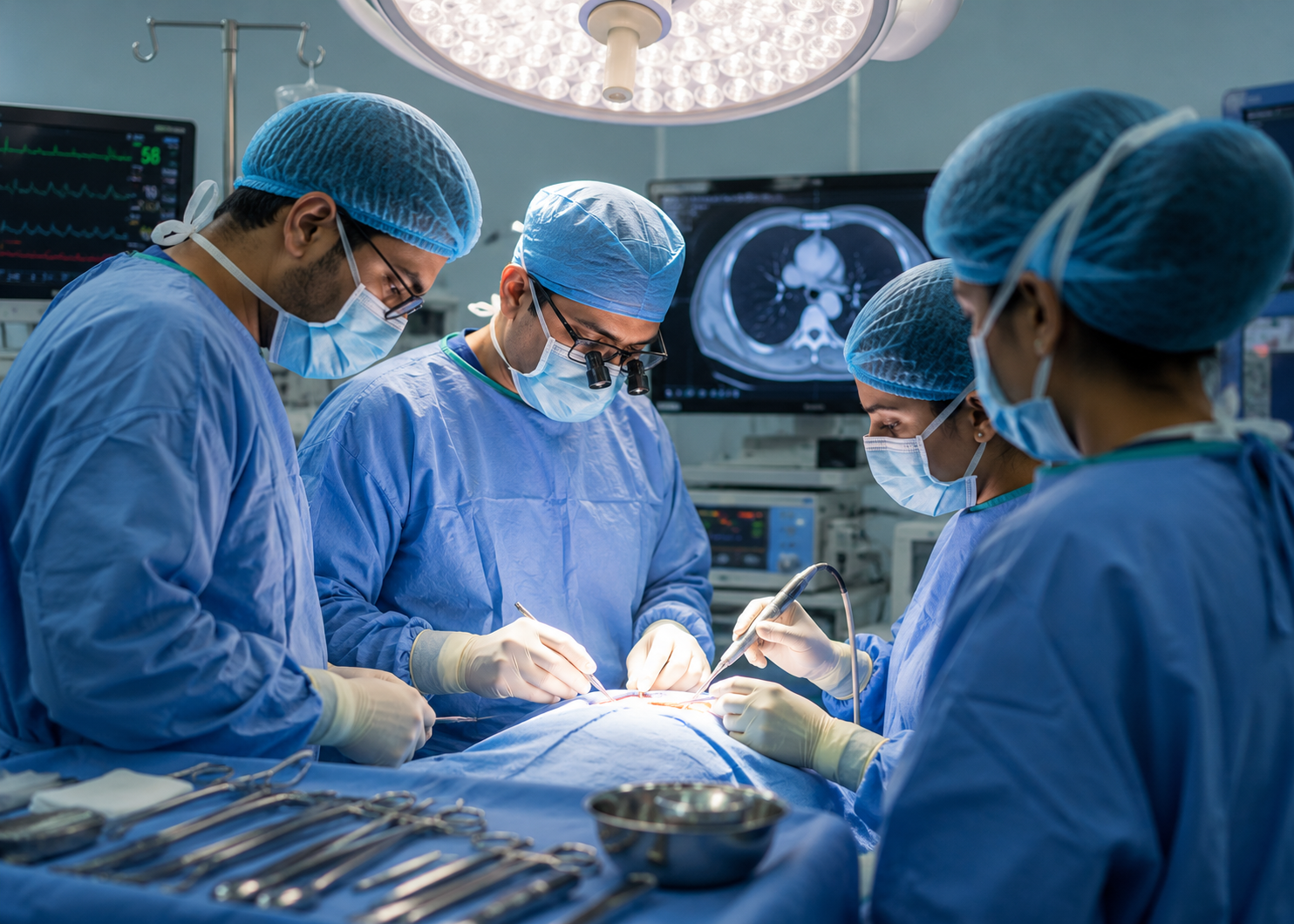
Suddenly hearing “cancer” might freeze anyone in place, hearts racing, minds swirling. Right away, thoughts turn to what comes next – especially if cutting out the problem becomes necessary. Often, that worry about an operation makes sense; removing tumors surgically still stands strong among options doctors trust. Even though science now gives us more tools than ever before, reaching for the scalpel can mean stopping things before they spread too far. When caught on time – or held within one region – the knife brings something rare: real control over chaos.
Cancer surgery – sometimes called surgical oncology – targets tumors by taking them out, checking how far the illness has moved, and helping overall care. Not just cutting away what you can see. Today’s approach leans on smart preparation, clear scans, exact cuts, saving normal tissues when it makes sense, working tightly alongside other experts who fight cancer.
Here’s something many people overlook: what surgery does can shift based on how far the illness has moved. A growth might vanish entirely when cut out early, aiming for healing. Other times, a small piece gets taken only so doctors can see under the microscope. Before stronger treatments arrive, an operation could shrink things down first. When everything feels heavy near the end, slicing into the body sometimes eases pressure, stops blood loss, lifts discomfort – making days feel lighter.
Most times, catching cancer early makes surgery work better. Starting out, lots of tumors grow without loud warning signs. A tiny bump under the skin, blood where it shouldn’t be, pounds dropping for no reason – these slip by unnoticed. Digestive troubles that won’t quit, shifts in bathroom patterns, a cough lasting weeks – they’re brushed off too fast. Yet seeing a doctor soon helps spot trouble while it’s still contained. That gives surgeons a real chance to remove what’s wrong before it moves through the body. Healing goes smoother when things haven’t gone far.
Back then, cutting wide and staying weeks in bed was normal. Now? Tiny holes plus fancy tools get the job done quietly. Think scopes guiding hands, robots helping steady wrists – precision wins here. Less mess inside means less hurt after, faster bounce back too. Most folks don’t realize how much sharper the work has become.
When cancer shows up in parts like the stomach or colon, small-incision operations offer real benefits. Because vital blood vessels run close to areas such as the liver, pancreas, or rectum, removing growths there demands extreme care. With sharper scans and better prep work before cutting, risks go down during these procedures.
Lots of changes have shaped how doctors handle breast cancer operations today. Back then, taking out the whole breast was common practice. These days, if the tumor isn’t too big or in a tricky spot, keeping most of the breast is possible. The goal shifts toward clearing the disease while helping looks stay close to normal – this matters more than it once did. Healing inside often ties closely to how someone feels about their body afterward, so care includes that piece when safe.
Most times, operations shape how doctors handle gynecologic cancers. When growths show up in the womb, ovaries, neck of the womb, or nearby areas in the pelvis, step-by-step surgeries help take out what can be seen and check if close structures have changes.
Focusing on head and neck cancers, surgical work demands extreme accuracy since critical areas tied to speaking, eating, breathing, and looks usually come into play. In these cases, removing the growth matters – just as much does keeping everyday abilities intact whenever feasible.
Not every detail matters equally when operating on tumors – yet clean edges do stand out. Surgeons take the growth plus a border of normal cells around it, just in case tiny traces hide there. Lymph nodes nearby might show signs too, so checking them makes sense mid-procedure. If those spots light up, what comes next could shift sharply toward extra therapies.
Worries pop up now and then when patients wonder if cutting into the body might move cancer around. Truth is, today’s cancer surgeries use methods built only to block any chance of spreading cells. Before anything happens, doctors map out each step so nothing goes unchecked. Clean conditions stay locked in place throughout, while tumors get managed like fragile objects – slow, steady. Every choice made during these operations points back to one goal: getting it out without leaving traces.
Most people worry about getting back on their feet. Though each operation changes based on the illness and how someone feels, bounce-backs now get more help than at any point in history. Better ways to handle pain make a difference, moving around soon after gets pushed hard, while eating right gives repair work an earlier start. Some folks take steps just hours afterward, blood flow gets a boost, fewer problems pop up.
What matters just as much is getting ready emotionally. Facing cancer surgery means dealing with more than the body going through changes – it hits the mind too. Worry over what the tests might show, not knowing exactly how things will go, tension about what comes next – these weigh on people. That reality explains the rise of team-based cancer care. Today surgeons who specialize in cancer link up with doctors focused on drugs, imaging specialists, lab experts, diet planners, and recovery coaches to help someone move step by step through their journey.
A look at what’s found under the microscope can shape what comes next. After cutting out tissue, specialists check if any cancer cells linger near edges, if nearby glands show signs of spread, instead of jumping to conclusions. Treatment might then include more than just the operation – sometimes radiation, maybe drugs enter the picture. The scalpel alone rarely tells the full story when illness runs deeper.
Tumors differ, so treatment paths split early – some demand cutting first. Others ease up after drugs or rays soften them ahead of the knife. What shifts things? The kind of cancer, how far it has moved, where it sits, and what shape the person is in. Choices now twist around these details, not old rules. Progress here hides less in miracles, more in matching moves to the moment.
A weight lifts for some people when the operation works – healing begins, then hope grows. Outcomes shift once the growth is gone, leaving space for belief in better days ahead. Still, checking in later matters just as much since care stretches beyond hospital release. Watching closely over time catches returns fast while building stronger wellness down the road.
Healing doesn’t stop when the wound closes. What a person eats can shape how well they regain energy, while moving the body each day helps restore balance. Talking through worries beats holding them in. Doctor visits every few months catch small issues before they grow. Strength returns slowly, often when least expected. Resilience shows up in quiet ways – sleeping deeper, standing taller, feeling present again.
Cancer surgery works best when timing matters most. When something feels off for weeks, it deserves attention – particularly with sudden weight drops, odd bleeding, or lumps getting bigger. A visit sooner rather than later opens doors to stronger choices in care. Digestive troubles or breathing issues that stick around? They’re clues, not just annoyances. Catching things early hands medical teams room to work, usually ending in a steadier path forward.
Certain tumors demand a steady hand – modern operations now hinge on careful measurement before the first cut ever happens. Confidence grows when each step feels guided, not rushed toward some imagined outcome. Healing begins once tissue comes away cleanly, leaving behind what matters most: time that stretches ahead. Decisions made in quiet rooms shape paths nobody saw earlier, opening space for strength to return quietly.