Gramy Hospital

G R A M Y

Neurosurgery

Get Directions

Neurosurgery

Starting with the brain and reaching down through the spine, surgery here deals strictly with nerve pathways and their surrounding areas. Not just about cutting, it demands sharp accuracy because every move touches how we feel, think, or move. Imaging tools guide each step, making sure nothing gets missed before a single incision happens. When emergencies strike or procedures are scheduled ahead, one goal stays fixed – keep the nervous system working right. Modern methods shape what happens in the operating room at Gramy Hospital. Teamwork across specialties plays into every case, quietly boosting results without drawing attention. Outcomes improve when tech meets skill, all aimed at preserving control over bodily functions that most never notice until they’re gone.

Strange headaches that stick around could mean something inside the head is off. When arms or legs feel weak without reason, it might point to nerve trouble deep within. Numb patches on the skin sometimes trace back to pressure on key nerves near the spine. Pain shooting down from the lower back into one leg deserves attention sooner rather than later. Seizures appearing out of nowhere can signal unusual electrical storms in the brain. Trouble staying steady on your feet may hide a deeper issue with coordination centers. Slurred words or struggling to speak clearly might reflect disruption in speech areas. Forgetting things more often than usual isn’t always aging – could be brain-related. Passing out suddenly raises red flags about what’s happening upstairs. A drooping face or uneven smile might reveal irritation along a major nerve pathway. Sudden jerks or stiffness in motion may stem from misfiring signals in neural circuits. Spotting these signs fast helps avoid lasting harm when time matters most. Waiting too long before getting checked could turn small issues into big ones.

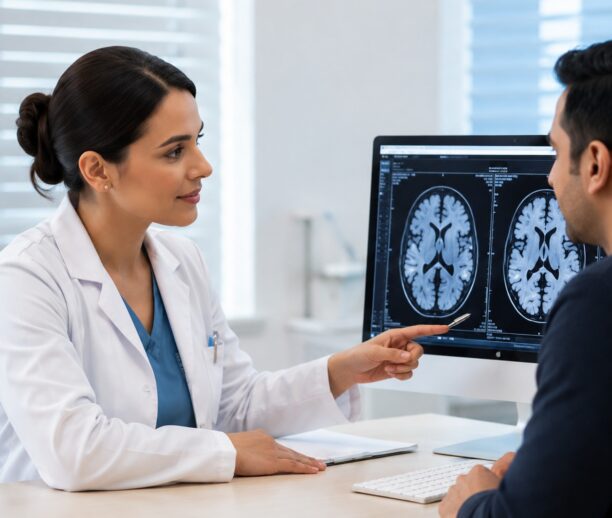
Every patient at Gramya Hospital starts with a close look at nerve function, using modern scans like MRI and CT. Because the spine and brain react strongly to mistakes, finding the right spot and type of issue comes first. Imaging tests show how deep the problem runs – this shapes what happens next. Before even thinking about surgery, doctors need clear proof of what they’re dealing with.

Spinal issues show up a lot in brain and spine medicine. Because people live longer now, sit too much, hold their bodies wrong, get hurt, or wear down over time, back troubles pop up more often than before. Slipped disks, narrowed spinal canals, pinched nerves, stiff neck bones, bulging lower back disks, plus wobbly spine segments – these bring sharp backaches, sore necks, dead fingers, prickling skin, tired muscles, trouble moving legs step by step. Sometimes pain starts slow. Other times it hits like a jolt out of nowhere.

A bulging disc happens if the soft pad between vertebrae pushes out and irritates a nerve close by. Pain that travels down an arm or leg can result, especially in the buttock or thigh when the base of the spine is involved. Medicines and physical therapy help most people at first. Yet if nerve squeeze continues – bringing lasting discomfort, muscle slackness, or trouble controlling urination – surgery might step in. Today’s procedures aim to ease nerve strain without weakening backbone support or movement.

Small cuts now replace large openings in many spine operations. Through tiny pathways, surgeons guide tools aided by strong lenses that show fine details clearly. Instead of wide exposure, delicate work happens under enhanced sight. Blood loss tends to drop when the body isn’t opened broadly. Pain afterward usually eases quicker than it does following older methods. Hospital time shrinks because healing moves at a swifter pace. Normal routines resume sooner thanks to gentler techniques.

A growth in the brain falls under common reasons people need nerve surgery. It might not spread, yet sometimes it does – how it behaves depends on where it sits and how big it gets. Head pain that won’t quit shows up a lot, along with throwing up, sudden shaking episodes, trouble seeing, stumbling over words, shifts in mood, or losing strength in arms or legs. The goal during an operation? Take out the odd-looking cells without harming essential mental processes.

Situated within the brain are regions that manage speaking, moving, seeing, and recalling – so removing a growth means maps built from sharp scans guide every step. Afterward, what comes next hinges on what the lab reveals about the cells, shaping any added care needed.

Still among the fastest-moving crises a neurosurgeon faces is head injury. Crashes on roads, slips, job site mishaps, or heavy impacts can trigger leaks of blood within the cranium, cracks in bone, puffiness in neural matter, even stress on vital areas deep in the brain. When fluid builds up and puts lives at risk, cutting open the skull might become unavoidable. Speedy detection combined with swift surgery lifts chances of living through it, also helps rebuild how the mind works afterward.

Bleeding inside the skull might follow a head injury or happen without warning when blood vessels burst. Subdural hematoma, along with epidural hematoma or bleeding within the brain itself, needs fast detection since rising pressure in the head may turn deadly in hours. Surgery by specialists tackles these clots, easing the squeeze on delicate brain tissue.

Fluid buildup in the brain’s chambers can raise pressure, disrupting nerve signals – that’s hydrocephalus, handled by neurosurgeons. Though it shows up at any age, from kids to older adults, a common fix involves implanting a tube to redirect the liquid. The goal isn’t cure but control, keeping levels stable over time.

When pressure on a nerve messes with how you move or feel things, that’s where surgery can step in. Take carpal tunnel, for instance – tight spots around nerves like that sometimes need opening up so signals flow again. Injuries that pinch or trap nerves might get fixed the same way. Relief often comes through freeing the nerve, letting it work like before.

Some birth-related nerve issues call for surgery by a specialist. When the brain or spinal cord develops wrong, fixing it fast can avoid lasting damage.

Not every person with epilepsy needs surgery – some might benefit when drugs fail to control their fits. When medicines fall short, doctors look closely at the brain to find exactly where trouble begins. That spot guides what happens next. Precision matters because removing the wrong tissue could cause harm. Success often ties back to how well experts map the problem zone beforehand.

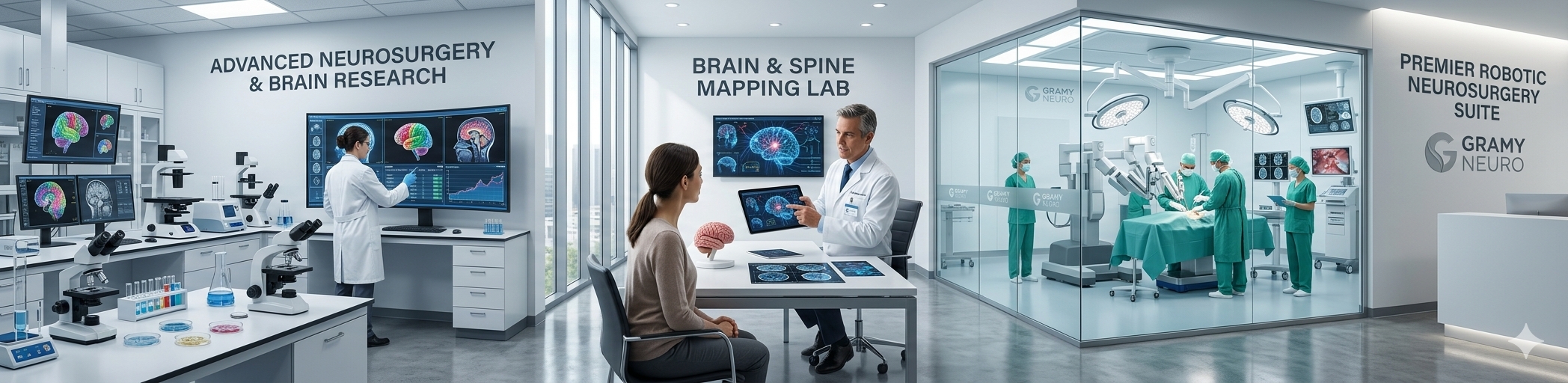
Fine control in today’s brain surgery comes from smart tools built for accuracy. Instead of guessing, doctors rely on microscopic gear, live imaging feeds, powerful lenses, along with 3D mapping to move through fragile zones. A tiny slip might disrupt vital actions like movement or speech – yet these aids cut risk by showing exactly where to go.

Watching nerve function closely matters just as much once the operation ends. How a person moves, talks, stays aware, handles discomfort, their reflexes – these need steady attention afterward. Healing may include therapy work, particularly when the spine’s involved, someone’s had a serious head trauma, or intricate brain operations take place.

Strength returns slowly when muscles learn again through guided motion. Because nerves rewire with practice, tasks once automatic come back piece by piece. Moving early cuts risks hiding in stillness – clots, stiffness, slow healing. Independence grows not from rest alone but repeated effort shaped by skilled hands.

What stands out in brain surgery care? Tailoring plans to each person. Right away, not all nerve system problems need an operation. For some folks, waiting helps – alongside drugs, therapy, or close watching – before any decision about cutting open. The call to operate comes only if gains are much greater than dangers, weighed with real attention.

Each day at Gramya Hospital, trust grows when people feel safe. Surgical accuracy isn’t just a goal – it shows up in every small step taken. Talking openly matters most when nerves run high around brain procedures. Relatives walk beside their loved ones, supported through uncertain moments. Clarity arrives not all at once, but piece by piece: what the scans show, which paths might help, how healing could unfold, where challenges may appear. With each honest detail shared, choices become clearer, steadier, truly the patient’s own.

These days, brain surgery changes fast – clearer scans show more detail, while steadier anesthetics lower risks during procedures. Instead of long waits to heal, many problems once thought difficult now see quicker fixes thanks to tools that slip through small openings. Sharp targeting means less harm to healthy tissue, so people bounce back faster than before. Hospital stays shrink when operations leave the body less disturbed, letting function stay closer to normal.

Neurosurgery aims beyond just removing illness or easing pressure. What matters most is keeping brain function safe. Movement gets better when nerves work right again. Pain fades under careful hands trained for delicate tasks. Spinal issues meet precise solutions shaped by experience. Brain tumors face strategies built on imaging and insight. After injury, recovery begins with steady monitoring. Nerve compression finds relief through targeted steps. Technology guides every move without taking control. Follow-up lasts as long as progress needs watching. Skill shapes outcomes more than tools ever could.

Available Doctors Under Food & Nutrition

Ask Any Question If You Have

Your email address will not be published. Required fields are marked *