Gramy Hospital

Learn what to expect when visiting the Emergency Department. Learn More

G R A M Y

Urology

Get Directions

Urology

From kidneys to bladder, urology handles problems in the tubes and organs that manage pee – for everyone, no matter gender. Waste removal, salt levels, water balance: tasks handled quietly by your insides every day rely heavily on this network. A small hiccup somewhere along the line might ripple into bigger issues over time. Care at Gramy Hospital moves beyond quick fixes, using precise checks, gentle procedures when possible, plus follow-up shaped around each person’s needs.

Most people will face bladder issues at some point, yet care is put off when signs seem mild. Though small at first, things like peeing too much, stinging while going, trouble starting, pinkish pee, belly pressure, leaks, aching in the back, or stops mid-stream need attention – these hint at infections, blockages, kidney stones, an enlarged prostate, or hidden troubles deep inside the urinary system.

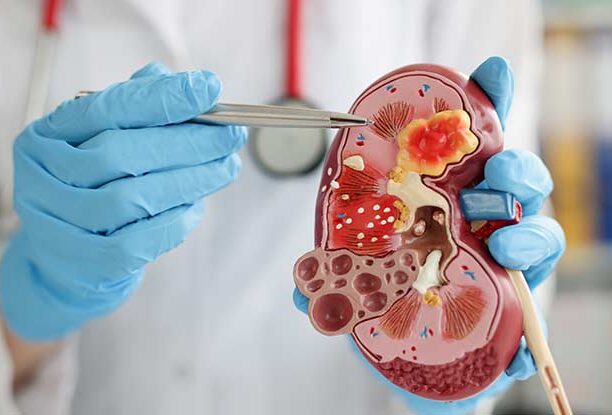
Kidney stone trouble shows up a lot in urology clinics. Crystals made from minerals and salts stick together deep inside the kidneys, building hard lumps over time. If the pieces are tiny, they might slip out without fuss. Bigger ones tend to jab at the ureter – that thin link between kidney and bladder – sparking sharp agony. Pain hits fast, usually on one flank or low down near the spine. Nausea tags along sometimes. Throwing up happens too. Peeing can sting like fire. Blood tints the stream pink or red. Getting urine out feels blocked, slow, strained.

Big or small, where a kidney stone sits changes how bad it gets. Tiny ones sometimes pass with extra water, pills, and waiting. Larger troublemakers usually need something stronger done. These days, specialists lean on tiny tools that go inside – no big cuts needed. Using scopes threaded through natural paths, they zap stones apart with lasers. Procedures like these get the job done while skipping open surgery.

Stones showing up again? That often signals something deeper – maybe how your body handles minerals, not drinking enough, food choices, or kidneys working off rhythm. Staying ahead means adjusting habits before more stones appear. Long-term wellness leans on catching patterns early.

Something else doctors see a lot is problems with the bladder. Urge to pee suddenly can show up, often alongside needing the bathroom more than usual. Loss of proper control might happen, sometimes paired with not fully emptying the organ. Pain when passing urine creeps in for some people. Nighttime trips interrupt rest, making sleep patchy. Infections could be behind it, though an overactive bladder plays a role too. Nerves affecting function enter the picture now and then. Blockages get in the way, just like weak muscles do.

Folks get urinary tract infections a lot – women more than most. When they keep coming back, though, something deeper might be going on. Hidden problems like oddities in the urinary system could be at play. Maybe the bladder does not fully drain each time. Stones lurking inside can act up too. Long lasting irritation sometimes hides behind repeat cases. Peeing might sting sharply when it happens. A dull ache sits low in the belly for some. Needing to go all the time – even if little comes out – is another clue. Urine turns murky without warning. Emptying feels off, never quite right.

Most guys face prostate growth at some point. As years pass, that small gland swells bit by bit. Pressure builds on the tube carrying pee out. Flow slows down without warning. Starting becomes harder than before. Streams break apart mid-use. Sudden needs pop up more often now. Nights get filled with trips to the bathroom. Emptying feels less complete each time.

Even when it is not cancer, an enlarged prostate might slowly harm how well the bladder works – also raising pressure on the kidneys if left too long. Checking things early makes it clearer if medicine, watchful waiting, or a small procedure could help.

Now here comes a problem some guys face – swelling in the prostate brings soreness around the pelvis, trouble peeing, plus ache that feels like an infection. Figuring out what’s really going on matters since each root needs its own fix.

Seeing red in your pee? That needs a checkup, no matter if it hurts or not. Infections might trigger it, yet so can kidney stones or issues with the prostate. Sometimes, trouble in the kidneys shows up this way instead. When blood is obvious, getting looked at fast makes healing more likely down the road. Bladder problems could also be behind it – worth ruling out.

Something many overlook? Men’s reproductive wellness sits right inside urology’s scope. When trouble shows up – like trouble conceiving, soreness in the groin, lumps, enlarged veins near the testes, difficulty maintaining erection, or hormone shifts – a specialist often steps in. Fertility struggles might stem from disrupted hormones, blocked pathways for sperm, swollen scrotal veins, infections, or weak testicular activity. A full look usually involves physical checks, scans, plus blood or semen testing.

Some guys get swollen tubes near the testicle – called varicocele – that can mess with sperm and bring a dull ache. When it bothers someone enough, fixing it might help them feel better and boost chances of making a baby.

Hard erections sometimes fail. That could signal sugar issues. Blood flow trouble might play a role too. Hormones shifting matters. Stress weighs in. Nerve damage shows up here. Vessel fitness ties tightly to performance. Body chemistry balance counts. A full check by a doctor makes sense. Spotting root reasons needs attention.

Not everyone talks about it, yet many deal with urine leaking now and then. People of any gender might find themselves wet when laughing hard or moving quickly up stairs. When a cough hits, some notice they can’t hold back, even just a little. Others feel sudden pressure, like the body decides too fast to go. Weakness deep inside the lower belly plays a role more than most guess. Sometimes nerves misfire, sending wrong signals without warning. Surgery down there may shift things quietly, leading to changes later on.

Finding blockages in the urinary tract is part of what urologists handle. When the tube carrying pee gets tight – known as a urethral stricture – it slows down urine and may lead to infections, dribbling flow, or stress on the bladder. What works best for treatment changes based on where it happens and how bad it is.

Stopping harm to kidneys is still a key focus in urology since unaddressed blockages, ongoing infections, or lasting bladder issues may slowly hurt kidney function. What feels like small urinary problems at first might quietly strain the kidneys over time when left unchecked.

These days, checking urinary health might start with an ultrasound or a look at urine samples. Kidney performance gets measured through blood work. A tiny camera can travel inside to see what is happening. Flow rate during urination gives clues too. Scans using computed tomography help spot deeper issues. Specific tests follow when symptoms point one way. Each step fits the problem showing up.

Nowadays, looking inside the urinary system is far less invasive. Using slim tools that bend or stay straight, doctors see right where they need to – no big cuts required. Removal of stones happens smoothly, narrowings get fixed, while issues in the bladder are checked on the spot. Tissue stays mostly untouched thanks to these precise methods.

Most times, patients bounce back quicker when the procedure barely breaks the skin. Healing moves fast because there is hardly any blood loss. Pain stays low since the body isn’t cut wide open. Getting back to daily life happens sooner than with old-style operations. Tiny incisions make a big difference in how the body responds.

Young ones might need help with birth-related urine tract differences, along with infections that hit the bladder. Nighttime accidents bring visits too. When kidneys struggle to drain right, doctors step in. Problems tied to how the body formed below matter just as much.

Available Doctors Under Food & Nutrition

Ask Any Question If You Have

Your email address will not be published. Required fields are marked *