Right now, spotting health issues fast can change how well treatments work. Some tough illnesses start with signs that feel small – like ongoing stomach burn, belly pain, losing pounds for no reason, trouble swallowing, a cough that won’t quit, or changes in bathroom routines. When things like this come up, physicians might suggest an endoscopy since it lets them see inside organs clearly, avoiding big cuts. Through time, this method gained trust across clinics thanks to sharp results and ease of use – all while keeping patient strain low.
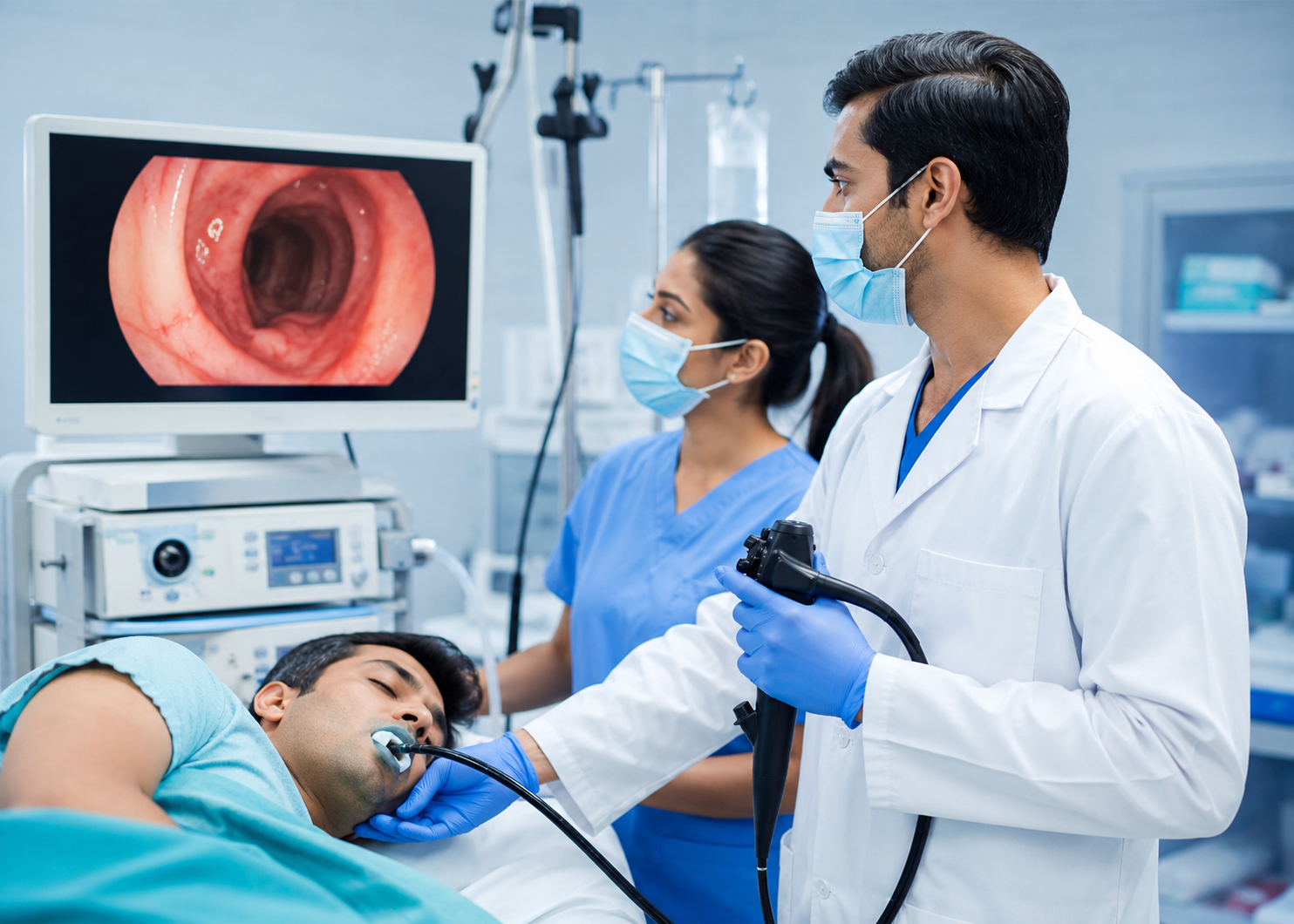
Inside your body can be watched closely using a slender tube carrying a tiny eye. That eye beams live pictures to a screen so doctors see what regular checks miss. Not every part uses the same tool – each path has its own version. When the throat or belly needs checking, one type slides down the mouth to scout those zones. Another kind moves up through the rear route to view the long gut. Airways get scanned by a scope that slips through the nose or mouth straight into breathing branches. Bladder inspections take a small hose fed gently forward through the urine exit.
Inside problems often grow without warning signs. Months might pass while someone feels slightly off, never guessing at ulcers or swelling hiding within. Blood checks and imaging help, yet they miss what the eye can catch live. Watching tissue up close changes how doctors understand illness. What shows on screen during a scope reveals more than numbers ever could.
Worries creep in when someone hears they need an endoscopy, usually picturing pain or intense discomfort. Truth is, today’s scopes move through with far less risk and irritation than most assume. A numbing spray, calming drug, or light sedative keeps things steady during the process. Often done quickly, the whole thing wraps up before fatigue sets in. Leaving by evening becomes possible once alertness returns.
Most times, a doctor suggests an upper gut check if burning stomach issues won’t go away, or there’s throwing up, trouble moving food down, belly ache above the navel, long-term digestion problems, or low red blood cells without clear cause. Slipping the scope in through the mouth, they guide it carefully along the beginning of the digestive path. That peek inside shows sores, swollen lining, harmful bugs, damage from too much acid, tight spots, or odd lumps hiding where they shouldn’t. Should things need closer look, tiny bits of tissue come out then and there – sent off later to be studied under glass.
A look inside the large intestine often happens through a scope, mainly when someone has ongoing trouble passing stool, notices blood, feels belly discomfort without clear cause, deals with lasting gut rhythm changes, or carries inherited risks for digestive tract issues. This check finds bumps, swelling, sickness signs, sores, plus warning spots tied to colon cancer. One strong point stands out – odd tissue found then might come out right away, which could lower chances of illness later.
Most people do not realize how much more endoscopy can do beyond just spotting problems. During the same visit, treatments often happen right away. A doctor might halt a bleed inside the gut, take out tiny growths, stretch tight areas, pull out swallowed objects, or set up feeding lines if needed. Because of this, extra operations are skipped, cutting down time spent in hospitals by quite a bit.
Spotting cancer early? That is where endoscopy really helps. Gut cancers often start as tiny shifts in cells – no bad signs at first. A close look inside lets doctors catch odd spots fast, and take samples right then. Finding trouble before it grows usually means better results, less harsh treatments down the road.
Clear pictures have changed how doctors look inside the body. Instead of blurry views, today’s screens show fine details sharply. These sharper images let experts spot tiny shifts in tissue they might have missed earlier. On top of that, certain tools adjust light patterns to make odd-looking veins stand out. Changes in cells also appear more defined through these methods. Because of better clarity, diagnoses often happen sooner. Early signs are caught faster, which guides quicker next steps in care.
One big reason people accept endoscopy now is how safe it tends to be. When skilled experts do it with correct supervision, problems rarely happen. Medical background, current drugs, allergic reactions, plus ongoing health issues get checked first so risks stay low. Once finished, individuals rest under watch while drowsiness fades, then head back to daily routines fairly quickly.
Most folks struggle less with the treatment than with putting it off – fear tends to get in the way. Things like ongoing heartburn, trouble getting food down, stomach aches that won’t quit, throwing up without reason, blood somewhere it shouldn’t be, or bowel patterns shifting fast? Those aren’t meant to be sat on forever. Might not mean anything severe, true – but each one calls for a look, at minimum.
Watching things closely matters after diagnosis. Those dealing with ulcers, ongoing gut inflammation, liver-linked stomach troubles, or past growths usually face another scope to check progress or catch returns fast. When problems linger, staying ahead means tweaking therapy just in time – doctors rely on repeated looks inside. Healing isn’t always straight; changes show up where eyes can see them.
Not every tool fits all jobs, yet bronchoscopy steps in when a cough won’t quit, red flecks mark phlegm, breathing paths narrow, or lungs seem infected. Much like that, doctors reach for cystoscopy if pee keeps getting infected, blood tints the stream, or something looks off inside the bladder. One thing becomes clear – scopes now stretch far beyond their original lanes.
After an endoscopy, relief creeps in for many people – suddenly, there’s clarity where confusion once sat. Answers emerge about what’s behind their discomfort: maybe swelling, perhaps a bug, possibly a condition needing more attention. Clarity like that lifts weight off shoulders. Decisions come easier when you know what you’re dealing with.
Early detection matters more now when it comes to gut health – endoscopies help spot trouble long before obvious signs show up. People who have relatives diagnosed with digestive tract cancers might find an advantage in getting checked sooner rather than later. Chronic acid issues can signal deeper concerns, so looking inside makes sense under such circumstances. Inflammation that lasts years? That kind of pattern often calls for a closer look. Odd stomach problems without clear cause tend to push doctors toward this type of scan too.
Endoscopy quietly changed how medicine works – not by rushing things, but by seeing clearly where it matters. With a slim tool that peers inside, many skip big procedures because answers come sooner now. Doctors trust what they see, which means choices are based on real details, not guesses. Problems once caught too late now show up early enough to act. Healing moves quicker when treatment hits the right spot without delay. What used to mean weeks of waiting can today start with just one look.