
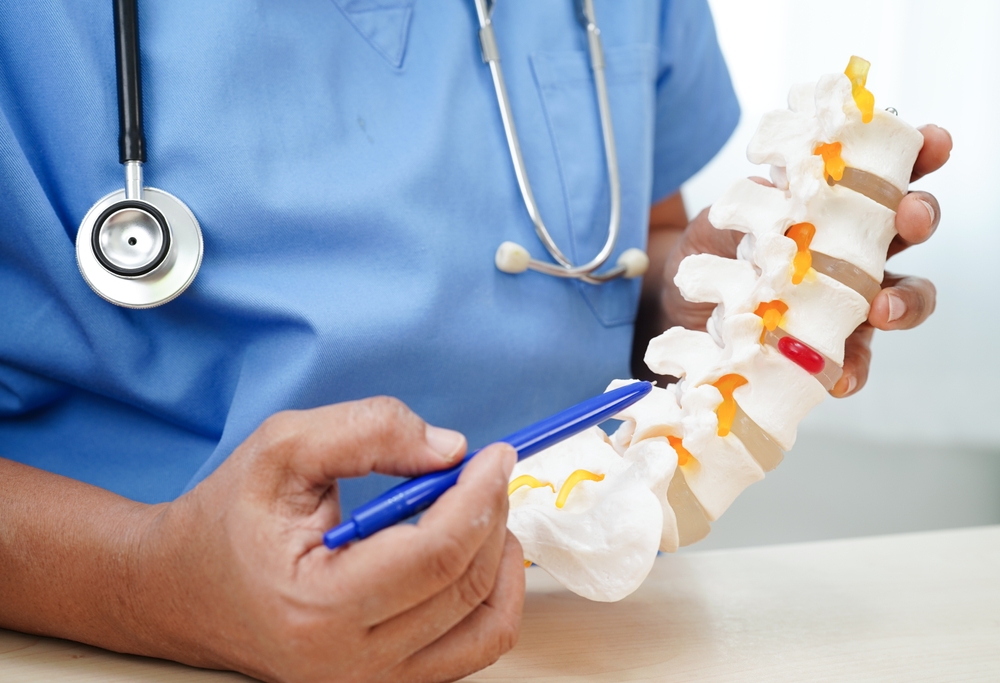
Most people rarely think about their bones, joints, or ligaments until pain begins to interfere with ordinary life. It may start quietly—a knee that hurts while climbing stairs, stiffness in the shoulder after waking up, or lower back pain that lingers longer than expected. Over time, simple activities such as walking, bending, lifting, or even standing for long periods can become uncomfortable.
That is usually the point when orthopedic care becomes important.
Orthopedic surgery is one of the most significant medical specialties for restoring movement, relieving pain, and helping people return to daily activities with confidence. While not every bone or joint problem requires surgery, some conditions improve best when treated through carefully planned orthopedic procedures.
Understanding Orthopedic Surgery
Orthopedic surgery focuses on conditions affecting the musculoskeletal system, which includes bones, joints, muscles, ligaments, tendons, and supporting tissues.
The goal is not only to treat injury or disease but also to restore function. For many patients, this means being able to move freely again without persistent pain.
Orthopedic specialists treat patients of all ages—from young athletes with sports injuries to older adults dealing with age-related joint degeneration.
Common Conditions That May Need Orthopedic Surgery
Orthopedic problems can develop suddenly because of injury or gradually over time due to wear and tear.
Some of the most common conditions include:
- Fractures and broken bones
- Knee pain due to ligament injury
- Hip joint degeneration
- Severe arthritis
- Frozen shoulder
- Spine-related pain
- Tendon tears
- Sports injuries
A patient with chronic knee pain, for example, may initially manage discomfort with medication or rest. But when walking becomes difficult or swelling increases repeatedly, further orthopedic evaluation becomes necessary.
When Pain Should Not Be Ignored
People often delay treatment because they believe joint pain is simply part of aging. While some stiffness may come with age, persistent pain is not something that should be accepted as normal.
Signs that require orthopedic consultation include:
- Joint pain lasting several weeks
- Difficulty walking
- Swelling after minor movement
- Reduced flexibility
- Pain during daily activities
- Repeated sports injuries
- Instability in the knee or shoulder
When these symptoms continue, the underlying issue may worsen if left untreated.
Common Orthopedic Procedures
Modern orthopedic surgery offers many options depending on the condition and severity.
Joint Replacement Surgery
Joint replacement has become one of the most effective treatments for severe arthritis.
In this procedure, damaged parts of a joint are replaced with artificial components designed to restore movement and reduce pain.
Knee and hip replacements are especially common among older adults whose daily movement has become limited.
Arthroscopy
Arthroscopy is a minimally invasive procedure where a small camera is inserted into the joint.
This allows surgeons to diagnose and treat problems such as:
- torn ligaments
- cartilage damage
- joint inflammation
Because the incision is small, recovery is often quicker.
Fracture Fixation Surgery
Some fractures require surgical support using metal plates, screws, or rods to ensure proper healing.
This is particularly important when bones are displaced or unstable.
The Role of Rehabilitation After Surgery
Orthopedic surgery does not end in the operating room. Recovery depends heavily on rehabilitation.
Physiotherapy helps patients regain:
- strength
- balance
- flexibility
- confidence in movement
Many people notice steady improvement over weeks as muscles become stronger and joints adapt.
Why Early Treatment Makes a Difference
Delaying orthopedic care often leads to worsening joint damage.
For example, untreated ligament injury may eventually affect surrounding cartilage, making treatment more complex later.
Early diagnosis often means:
- smaller procedures
- faster recovery
- less pain
- better long-term mobility
Modern Orthopedic Care Is More Comfortable Than Before
A common fear among patients is that surgery means long hospital stays and prolonged discomfort.
However, advances in modern orthopedic techniques now allow many procedures to involve:
- smaller incisions
- reduced pain
- shorter recovery periods
- early mobilization
In many cases, patients begin walking sooner than they expect.
Final Thoughts
Orthopedic surgery plays an essential role in helping people return to active, comfortable living. Whether the issue is arthritis, injury, fracture, or joint degeneration, proper treatment can greatly improve quality of life.
Pain that affects daily movement should never be ignored, because the sooner the condition is evaluated, the better the chances of successful recovery.