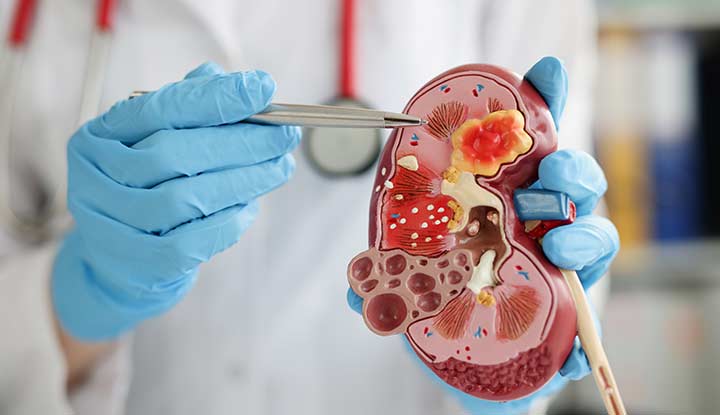
Nephrology
Kidneys quietly perform some of the body’s most essential work every single day. They filter waste from the blood, regulate fluid balance, maintain electrolyte levels, and help control blood pressure. Because they function silently and efficiently, kidney problems often remain unnoticed until symptoms become significant. By the time swelling, fatigue, or changes in urination appear, the kidneys may already be under considerable stress.
Nephrology is the branch of medicine that focuses on diagnosing, treating, and managing disorders related to kidney function. Since kidney health affects many other systems in the body, timely nephrology care often plays an important role in preventing long-term complications.
Understanding Kidney Health
Healthy kidneys constantly remove waste products and excess fluid from the bloodstream while helping maintain internal balance.
When kidney function begins to decline, waste can accumulate gradually, often without obvious warning signs in the early stages.
This is why many kidney disorders are discovered during routine blood tests or health evaluations rather than because of severe symptoms.
Common Conditions Treated in Nephrology
Nephrology specialists commonly manage:
- chronic kidney disease
- acute kidney injury
- kidney infections
- electrolyte imbalance
- kidney stones affecting function
- blood pressure-related kidney damage
- diabetic kidney disease
- protein loss through urine
Many of these conditions develop slowly and require close monitoring over time.
Symptoms That May Indicate Kidney Problems
Kidney-related symptoms are often subtle in the beginning.
Patients may notice:
- swelling in the feet or face
- unusual tiredness
- reduced appetite
- changes in urine frequency
- frothy urine
- high blood pressure
- nausea
- unexplained weakness
Because these symptoms can overlap with other health conditions, medical evaluation becomes important.
The Link Between Diabetes, Blood Pressure, and Kidney Disease
Two of the most common causes of kidney damage are diabetes and uncontrolled blood pressure.
Over time, both conditions place stress on delicate kidney blood vessels.
Patients living with either condition benefit greatly from regular kidney monitoring, even when they feel physically well.
Why Early Diagnosis Matters
Kidney disease often progresses quietly.
A person may continue normal daily activity while kidney function gradually declines.
When identified early, many kidney conditions can be slowed or controlled through:
- medication
- dietary changes
- blood pressure management
- sugar control
- fluid balance correction
This often delays progression and protects remaining kidney function.
Managing Chronic Kidney Disease
Chronic kidney disease usually requires long-term supervision rather than short-term treatment.
Doctors often monitor:
- creatinine levels
- urine protein
- blood pressure
- fluid retention
- electrolyte levels
Treatment plans are adjusted gradually depending on the patient’s condition.
Dialysis Support When Required
In advanced kidney disease, dialysis may become necessary when kidneys can no longer remove waste effectively.
Dialysis helps maintain body balance while supporting patients whose kidney function has significantly reduced.
It is often introduced after careful medical evaluation.
Long-Term Kidney Care
Kidney disorders often require regular follow-up because even stable patients may experience changes over time.
Lifestyle guidance is an important part of nephrology care, especially regarding:
- salt intake
- hydration
- medication safety
- blood pressure control
A Patient-Centered Approach to Nephrology
Kidney health affects energy, blood pressure, digestion, and overall well-being.
Because many kidney disorders are manageable when identified early, regular medical attention often makes a meaningful difference in long-term outcomes.