Bariatric / Weight Loss Surgery
Breathing gets harder when extra pounds stick around. Joints feel it too, day after day. Blood sugar shifts quietly behind the scenes. The heart works louder, longer. Sleep becomes thin, restless. Energy dips before noon. Eating less and moving more might help at first - then stops. Meanwhile, risk keeps building, unseen
When extra weight causes serious health problems and dieting fails, doctors might suggest bariatric surgery. This isn’t about looks - instead, it focuses on fixing deeper medical issues. Though some think it’s only for appearance, the real goal lives in stronger, healthier bodies over time.
Understanding Bariatric Surgery
Heavyweight outcomes start when surgery reshapes digestion, limiting meals or shifting nutrient handling. Success means long-term shedding of extra pounds alongside better control of weight-linked illnesses. Not every path looks alike - doctors weigh personal health records before greenlighting the procedure.
Weight Loss Surgery When Considered
If your weight causes major health problems, bariatric surgery might come up as an option. Health conditions tied to extra pounds can make doctors suggest this procedure. When obesity brings on diseases like heart trouble or diabetes, surgery could be considered. Problems linked to being very overweight sometimes lead medical teams toward surgical choices. Serious illnesses resulting from high body weight may prompt a talk about bariatric options
- type 2 diabetes
- high blood pressure
- sleep apnea
- joint pain
- fatty liver disease
- reduced mobility
Finding out what works best begins with a close look at the patient's condition. A doctor might choose surgery only after weighing every detail slowly. Not jumping to conclusions helps shape a clearer path forward. What matters most shows up through careful observation first. Decisions take form once all pieces fit just right.
Weight Loss Is Just One Part of Health
Most folks assume cutting down your frame's the whole point of bariatric surgery. Truth is, it’s really aimed at boosting how well your body works. Just a bit of steady shrinking over time brings changes like:
- better sugar control
- easier breathing
- improved mobility
- reduced stress on joints
- lower cardiovascular risk
Common Surgical Approaches
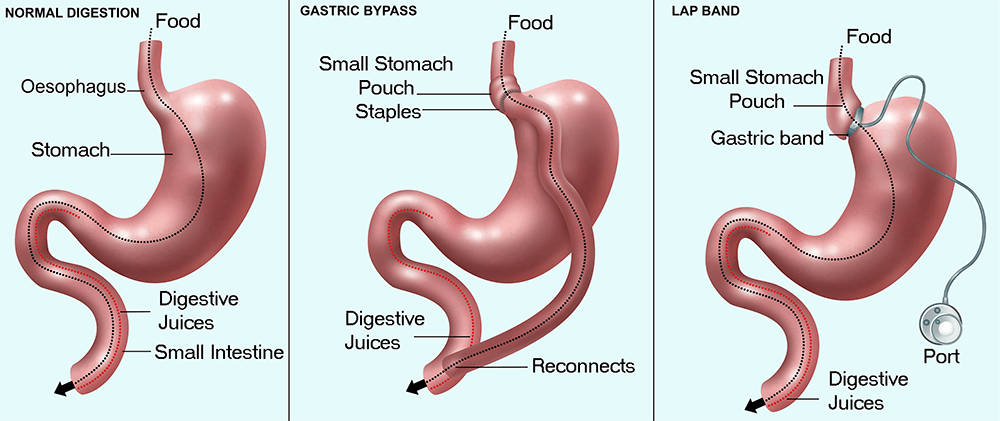
Not every weight-loss surgery works the same way. A smaller stomach space makes some people eat less without effort. Digestive changes play a role too, nudging metabolism in a new direction over time. Doctors weigh health history alongside daily habits before deciding. What fits one person might not suit another at all.
Careful Assessment Before Surgery
Before performing surgery, doctors typically assess:
- current medical conditions
- nutritional status
- digestive health
- heart fitness
- psychological readiness
Safety comes first when planning care steps. Most outcomes improve under careful choices.
Surgery Is Just One Step
Most folks think cutting something out fixes it forever. Truth is, what happens after matters way more than the operation itself. Sticking to new daily habits makes the real difference down the road
- structured eating habits
- portion control
- nutritional supplementation
- regular follow-up
Recovery After Weight Loss Surgery
Starting life after weight-loss surgery means changes come step by step. One might sip liquids at first, then slowly move toward soft foods - all under close watch from a nutrition expert. Healing moves faster now than it did decades ago, thanks to smarter techniques. Getting used to smaller portions takes patience; the stomach learns new limits over weeks.
Long-Term Health Benefits
Comfort on a usual basis shifts alongside the numbers on the scale. Changes show up in how clothes fit, followed by fewer moments of tiredness through the day
- easier walking
- better sleep
- improved stamina
- reduced medication dependence in some conditions
A Balanced Approach to Manage Weight
When people decide on bariatric surgery, lasting change often follows only if they stick with new habits over time. Though it's a physical procedure, its real value shows up later through improved well-being, easier movement, and reduced risks for those weighed down by years of struggle.