Endoscopy Spine
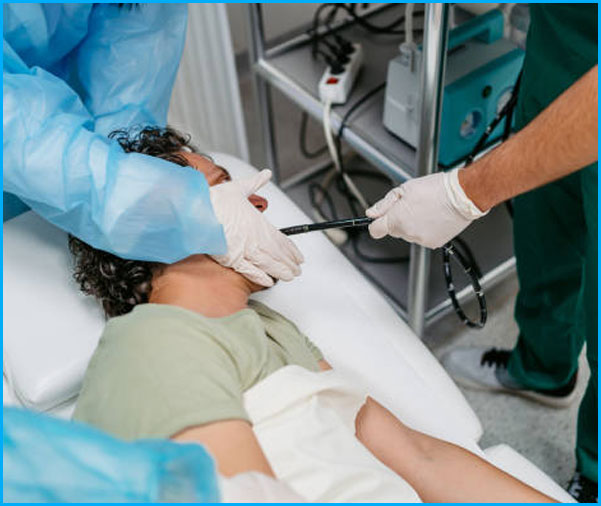
A thin, bendable tube with a tiny camera helps doctors peek inside the body – spotting problems long before they show symptoms. Not needing large cuts makes recovery quicker, while still giving clear views of hidden parts. Inside the gut, airways, or bladder, it travels gently, sending real-time images back to screens. Light at the tip brightens dark spaces, letting specialists check tissue health closely. Some tools pass through it too, fixing small issues during the same visit. Fewer scars appear afterward compared to open operations. Hospitals rely on this method daily because mistakes happen less often now. Seeing directly beats guessing from outside scans alone. Precision rises when visuals guide decisions step by step. Healing begins sooner since tissues stay mostly untouched. Problems like ulcers or blockages reveal themselves clearly under its gaze. Doctors trust what they can actually observe in motion.
Inside modern clinics, doctors rely on endoscopy to spot problems like sores in the gut, internal bleeding, growths, infections, long-term swelling, or abnormal masses. Spotting trouble early often means catching dangerous health issues before they worsen. Upper stomach checks, bowel inspections, airway scans, bladder views – each one fits what the person shows up with. Choice hinges on symptoms, nothing more.
Most times, an endoscopy does two jobs at once – finding problems and fixing them on the spot. Right there during the exam, physicians might grab a bit of tissue to test later, yank out tiny lumps, stop blood flow, or handle little issues you’d normally need cutting open for. Because of this, people spend less time in the hospital, hurt less afterward, get back to moving around faster than they would otherwise.
Faster diagnosis comes when clear pictures meet smart tools in today’s scopes. Sharp images help doctors act fast without guessing. Early treatment often follows because problems show up sooner now. Many patients barely feel it thanks to gentle sedation routines. Safety improves each time comfort becomes part of the process.
Most folks skip checkups until something hurts – yet peering inside the gut early on stops big problems before they start. Spotting trouble fast means fewer hospital stays later, particularly when it comes to stomach issues or growths turning dangerous. Watching closely from the beginning changes outcomes more than waiting for symptoms scream for attention.