Knee Replacement Surgery
Aching knees that make every step hard can find real change through joint replacement – a common fix when medicine fails. Though movement feels stiff and life slows down, many notice steady gains after the operation. This kind of repair kicks in once ordinary tasks hurt too much to keep going. Relief tends to grow over time instead of vanishing fast like pills. Some start moving easier without constant discomfort holding them back.
The meeting point of the thigh bone, shin bone, but also the kneecap creates the knee joint. These areas usually carry a layer of smooth cartilage so motion stays fluid. With passing years though, that cushion may erode due to osteoarthritis or perhaps past trauma, even misalignment slowly worsening over decades. Once the protective cover fades, bone touches bone during motion – this brings discomfort, heat in the area, tightness, noise with movement, along with steadily reduced flexibility.
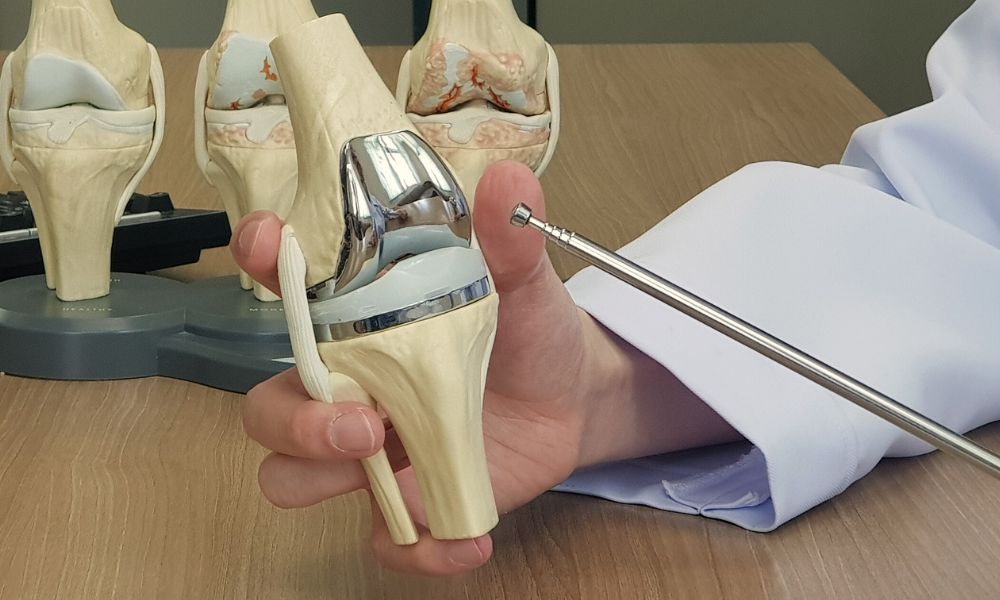
Sometimes the knee joint wears down. Metal parts step in when that happens. A surgeon takes out what is broken. New pieces go where the old ones were. These are built strong – medical metals hold up well. High-end plastics help too. Motion feels smoother after. The body moves more freely. Artificial joints copy how nature works. Durability matters most here. Replacement means relief for many.
Sometimes the injury decides if a person needs full or just part of the knee swapped out. Full swap means all worn areas get new surfaces. When only one section is damaged, surgeons fix that area alone, leaving good tissue untouched.
Imaging before an operation gives a clear picture of how bones line up, their shape, and strength – this shapes decisions on implants. Restoring the joint’s natural balance matters most, setting up steady movement that lasts.
Today’s operations focus on placing the implant just right, keeping ligaments steady, while protecting nearby areas. Often, patients start moving again only one day later. Because healing needs support, therapy guides motion and builds strength around the fresh joint.
Weeks pass before most people move without help, shifting slowly from support to full independence. As healing takes hold, discomfort fades – often a lot. Movement feels possible again, even after being stuck for ages.
After a knee replacement, many find everyday movement easier, pain fades, posture improves. When arthritis limits how you live, this procedure often brings lasting relief unlike most bone-related surgeries. Though recovery takes time, results tend to support freedom and ease well into later years.