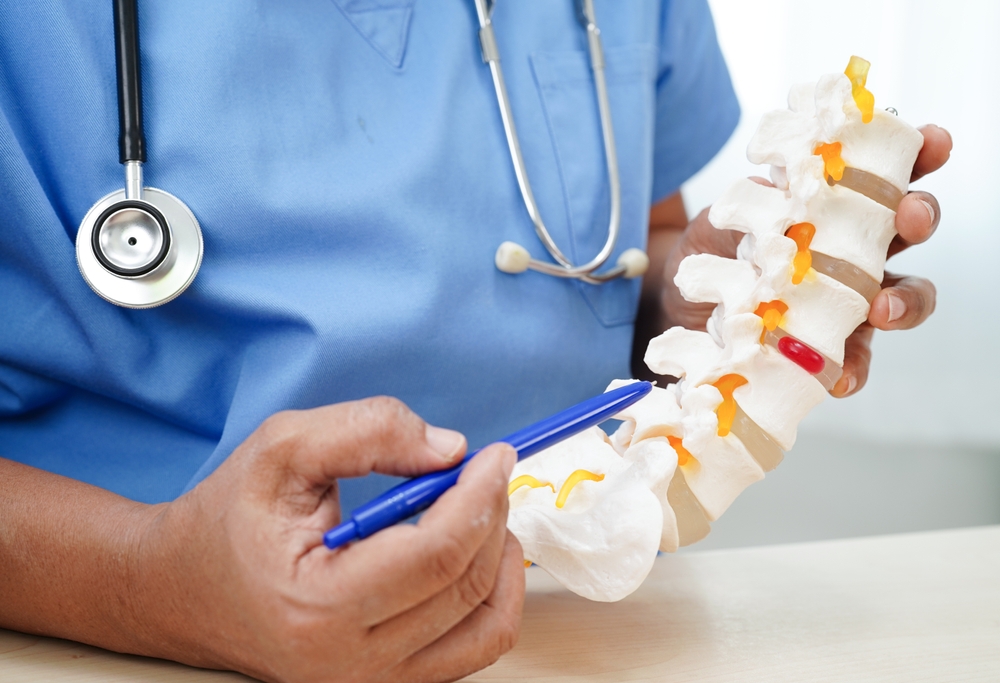
Orthopaedics
Bones and joints support every movement the body makes, from standing up in the morning to walking, bending, lifting, and climbing stairs. Because we rely on movement constantly, even minor discomfort in the joints or spine can quickly begin to affect daily life.
Orthopaedic care becomes important when pain, injury, stiffness, or weakness starts limiting normal activity. Sometimes the cause is sudden trauma such as a fracture or sports injury. In other cases, pain develops gradually over months because of arthritis, posture-related strain, or age-related wear and tear.
Orthopaedics focuses on diagnosing and treating conditions involving bones, joints, muscles, ligaments, tendons, and the spine.
Common Orthopaedic Problems Seen in Patients
Orthopaedic specialists treat a wide range of conditions affecting both young and older patients.
These commonly include:
- fractures
- joint pain
- arthritis
- ligament injuries
- back pain
- neck pain
- shoulder stiffness
- sports injuries
Some conditions heal with rest and therapy, while others require more advanced intervention.
Why Joint Pain Should Not Be Ignored
A common mistake is assuming that pain will disappear on its own.
While temporary discomfort can improve, persistent symptoms usually indicate that deeper evaluation is needed.
Pain that continues for weeks may gradually affect walking, sleep, posture, and even confidence in movement.
Symptoms That Need Orthopaedic Evaluation
Patients should seek specialist advice when they experience:
- swelling in joints
- difficulty walking
- stiffness after rest
- limited movement
- pain during daily activity
- instability in the knee or shoulder
- repeated injuries
Early care often prevents worsening damage.
Fracture and Injury Care
Bone injuries require proper alignment and healing support.
Even when pain seems manageable, untreated fractures may heal incorrectly and later affect movement.
Orthopaedic assessment helps determine whether treatment requires:
- immobilization
- support devices
- rehabilitation
- surgical correction
Arthritis and Degenerative Joint Conditions
Joint wear often increases with age, but arthritis can affect younger adults as well.
Patients commonly report:
- morning stiffness
- pain while climbing stairs
- discomfort after prolonged standing
When joint surfaces become damaged, movement becomes painful and daily activities become difficult.
Spine-Related Orthopaedic Concerns
Back and neck pain are among the most common reasons people seek orthopaedic care.
Sometimes the cause is muscular strain, but persistent pain may indicate:
- disc problems
- nerve compression
- posture-related stress
When pain radiates into the arms or legs, further evaluation becomes important.
The Role of Rehabilitation
Orthopaedic treatment often includes structured rehabilitation.
Recovery usually improves with:
- physiotherapy
- guided movement exercises
- strengthening programs
- posture correction
These help restore mobility and reduce future strain.
Surgical Support When Needed
Not all orthopaedic conditions require surgery.
However, certain injuries or joint problems improve best through surgical treatment when conservative methods no longer provide relief.
Modern orthopaedic procedures often allow quicker recovery than many patients expect.
Supporting Long-Term Mobility
The goal of orthopaedic care is not simply pain reduction—it is helping patients move confidently again.
Whether treating injury, joint degeneration, or chronic discomfort, timely care often makes everyday life significantly easier.